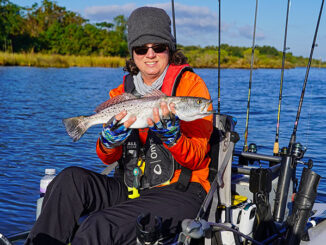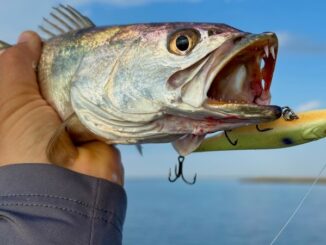
Kayak anglers use artificial lures more often than not. They are productive, and when certain techniques are mastered, the success rate is high. There is also a level of extra satisfaction knowing that you tricked a fish into biting something that is not even real.
Due to the small confines of a kayak, carrying and caring for live shrimp can sometimes be a little difficult. However, with the right set up, you can increase your odds of success and easily carry enough live shrimp for a day’s outing.
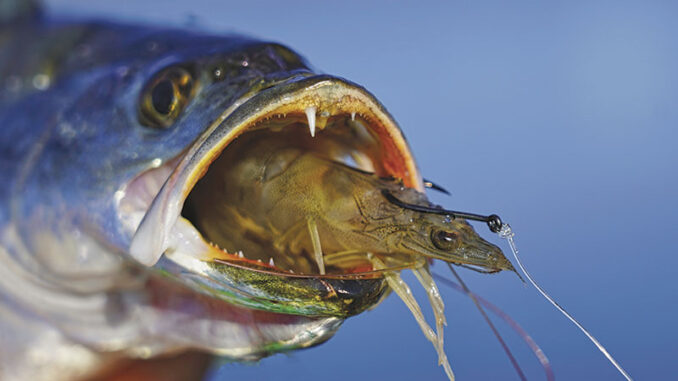
Some days you can catch all the fish you want on artificial, but live shrimp offer an edge that cannot be matched by lifeless chunks of plastic. Think about it. Various lure designs are made to give off scent, movement and the silhouette of an actual shrimp. Some do it well, but none better than live shrimp itself. There are countless designs out there for artificial shrimp, both hard and soft, and many work great. However, live shrimp give off real scent, sounds and movement that just cannot be matched by anything inanimate.
Methods of fishing
During the spring and summer, countless hordes of live shrimp proliferate in the near and inshore waters. All fish species that swim in salt or brackish waters regularly dine on live shrimp. They are versatile and can be fished with a wide variety of techniques to cover all water depths. The Louisiana staple is a live shrimp dangled under a popping cork. This one/two combination is pretty hard to beat. Popping corks attract the fish’s attention with splashes and sound, and the live shrimp seals the deal. Many charter boats have their rods set up for popping corks for live shrimp because it is an easy method that anyone can use and puts fish on deck for novices and professionals alike.
However, other methods can be equally successful but take a little more skill to master. A feisty shrimp free-lined in the current is deadly, but a bit of finesse is sometimes necessary to feel the bite and set the hook at the proper time. A Carolina rig or basic bottom rig also offers ways to target fish that are holding a bit deeper. Also highly productive, but less often used, a sliding cork has the benefit of the visual cues of a bite while also having the ability to get your live shrimp precisely at the depth the fish are holding in the water column.
Keeping shrimp alive
Live shrimp are a bit expensive, with many areas selling them for about 50 cents apiece. Keeping them alive is top priority and involves having a container that can keep the water fresh and cool. Sufficient room so they can freely move about is also a necessity. Kayaks do not have room for built-in livewells like many powerboats do. However, there are a myriad of commercially sold small bait containers that work well in kayaks. The best livewells are ones that actually pump and recirculate water, thereby keeping it cool and well oxygenated. However, they are generally bulkier and a bit more expensive. Simple buckets and tanks that use aerators work well as long as you do regular change outs of the water to keep it fresh and your shrimp alive.
Modern air pumps are small, quiet and rechargeable. Look for one that is compact and waterproof. Most are made to use externally with a hose and aeration stone that goes into the water. Keeping the pump out of the well container keeps the water cooler. Having a few lively shrimp is better than having a bunch of half-dead ones. Shrimp need literal breathing room, so do not overcrowd your container. Regularly remove any that die and put them on ice to keep them fresh for later use as dead bait.
Many kayakers are DIY folks and there are many ideas and designs for homemade kayak livewells. Give YouTube a look and you can surely find one that suits your needs and budget.
Switch things up
Live shrimp are best, but when the bite is going good, having another rod rigged with a quality artificial shrimp is a great way to make your limited supply last longer. Follow up a successful live shrimp bite or two by alternating with an artificial one. This technique keeps the fish fired up and hitting your offering as soon as it hits the water no matter if it is live or dead. This interspersed use of live shrimp works better than all artificial because each strike of a live shrimp imparts scent and oils from the shrimp as it is crushed in the fish’s mouth. Switching back and forth between the live and artificial keeps the bite going and leaves more live shrimp for when the bite slows or moves to other locations.
Live shrimp are readily available at most full-service marinas and bait shops across coastal Louisiana throughout the summer months. While some may think setting up a kayak to hold enough live shrimp is a daunting task, it really isn’t. Find out what works best for you, your particular kayak and your style of fishing. Head out on your next kayak trip with a supply of live shrimp and your odds of success increase greatly.