Attention Louisiana bass fishermen: the Louisiana Department of Wildlife and Fisheries wants to talk to you!
If you value science-based fisheries management that incorporates the needs of fishermen, please answer your email.
For the first time in state history, Louisiana freshwater fisheries biologists are working with bass anglers and taking cues from neighboring states like Arkansas and Florida to develop a “black” bass management plan.
Black bass is an all-encompassing term applied to, in Louisiana, the native populations of largemouth and spotted (sometimes called Kentucky) bass and the introduced Florida strain bass and the resulting hybrids. In other states, that term could apply to species including Red Eye, Guadeloupe, Choctaw, Shoal Bass and Smallmouth among others.
Biologists have been meeting with freshwater fishermen over the last two years to discuss noticeable declines in bass numbers and average size of fish in the Atchafalaya Basin.
As the root causes of the loss in productivity in the Atchafalaya continue to be narrowed down and fixes identified, biologists are expanding that discussion to bass anglers across the state to get a better handle on expectations and how bass populations can be managed to best meet those expectations.
It’s not an easy task. Louisiana is incredibly productive for largemouth bass thanks to its warm climate, diverse habitats and remarkably broad forage base. Bass can live anywhere from puddle-sized farm ponds and neighborhood drainage ditches to the banks and floodplains of the Mississippi River, massive reservoirs like Toledo Bend and tidal bays like Lake Pontchartrain.
A very accessible fish
The only thing more varied than their habitats is what bass eat. There are obvious staples like insects, shad, bluegill and other sunfish and crawfish. Tidal water bass feast on shrimp and crabs while swamp-bound fish mix in frogs and sometimes even baby birds, snakes and turtles. If it looks like food and can fit inside its “large” mouth, a bass will try to eat it.
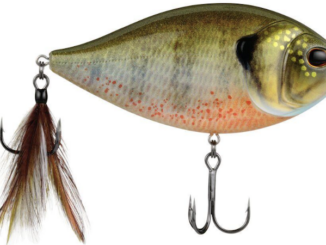
Bass can be food as well, mostly for other bass — hence the utility of a baby bass colored crankbait. But they are also preyed upon by garfish, catfish, herons, ospreys and other birds and, in coastal areas, even jack crevalle and bull sharks.
 That diversity means bass fishing is accessible in all corners of Louisiana to everyone from bank-bound anglers strapping fishing rods to their bicycles to those piloting $100,000-plus bass and bay boats rigged with the most sophisticated forward-facing sonars.
Tournament anglers want to catch the heaviest five fish, bring them to the scales and, hopefully, cash a check, while others want to take a few home for the Friday night fish fry. Department biologists want anglers to know that both approaches and more are fine. The fishery is broad and diverse enough to accommodate a lot of different perspectives and uses. Keeping bass to eat can even benefit the resource if anglers stick to the laws and regulations.
However, the diversity that makes bass so popular and so highly pursued also makes them very hard to prescribe a “one-size-fits-all” approach to management.
Life expectancy
Bass in waterways connected to the Mississippi River, which includes the Atchafalaya Basin, and other rivers and coastal marshes live in highly dynamic circumstances in comparison to those in isolated waterbodies and reservoirs.
Rivers flood, sometimes severely, and those floods can affect spawning and move primary habitats deep into wooded areas and onto floodplains that are better habitat for rabbits half the year than bass. The connections to those floodplains, though, also dramatically increases available forage, especially insects, worms and other invertebrates and crawfish.
Tidal-swamp and marsh bass can have their populations decimated in a matter of hours by hurricanes, meaning the average bass lifespan in storm-prone areas can be less than three years, while bass can live up to nine years or more in conditions like inland ponds and reservoirs.
In floodplains, again, like the Atchafalaya Basin, hot, late summer conditions and poor water flow can stress bass into seeking cooler, oxygenated areas instead of eating. However, hot, low rain periods and droughts can also benefit bass in the long run because those conditions dry out floodplains, stabilize banks, improve spawning habitat and encourage vegetation growth, leading to better habitat when the water returns.
Reservoir drawdowns, while seen as an inconvenience by some homeowners because they limit access to the water, are incredibly beneficial to bass spawning and forage production for years after they occur.
The right approach
Hatchery-raised bass in Louisiana are released to affect genetics and growth rates much more than simply growing populations, and hatchery fish tend to be much more successful in controlled environments like reservoirs than those in river systems and floodplains.
Illustrating all of this means biologists developing this black bass management plan have a lot of work to do in finding the right approach for both fish and fishermen. With bass fishing having an annual economic impact in Louisiana of more than $530 million and considering how essential the recreational pursuit of these fish is for local communities and the state’s culture, it’s important to take on this task.
A survey asking anglers for their opinions and their help in crafting the plan will be distributed throughout the fall and early winter of 2025. If you bass fish, please complete the survey. It will help biologists identify what their license-buying, tax paying customers want out of their fishery. It may also mean you get to set the hook a few more times no matter where and how you bass fish.