The second half of the deer season is here, so it might be time to change up your tactics
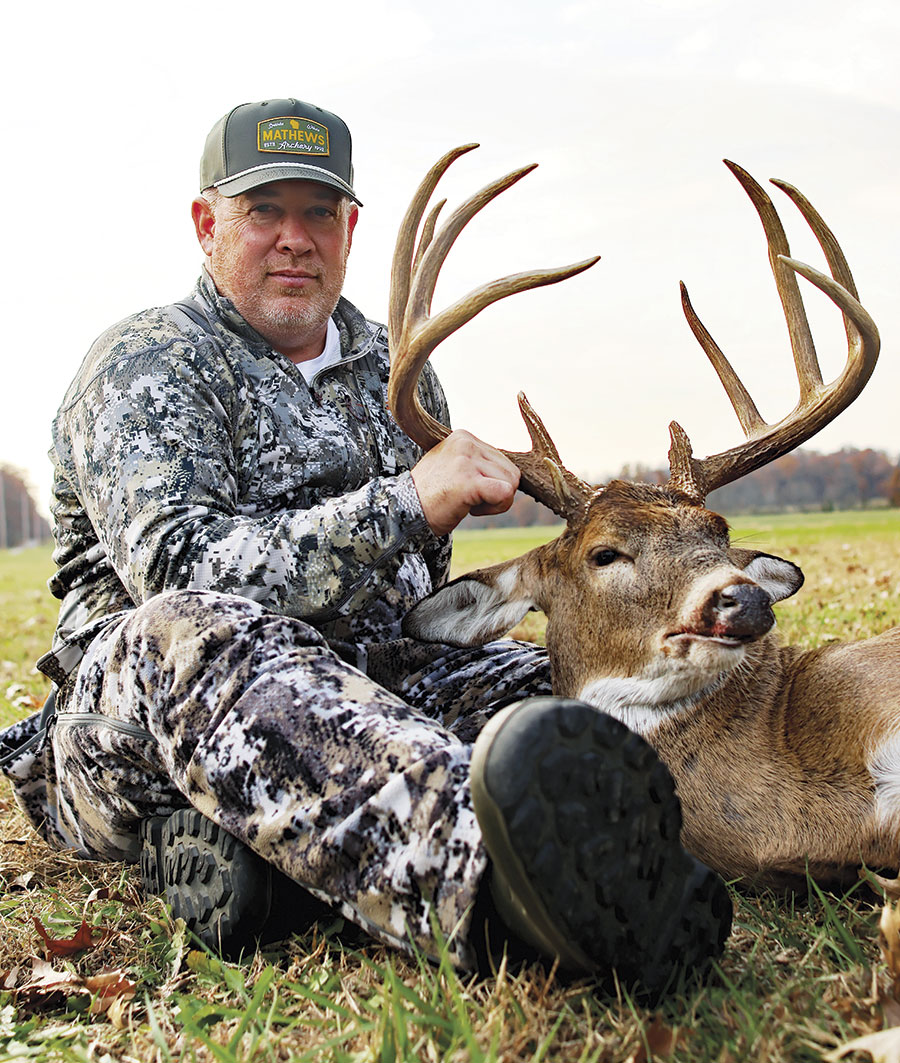
Late-season bucks are built differently.
Wounded and worn-down from months of fighting, rutting and avoiding hunters, these last survivors now search the woods and fields in search of vital food sources that will ensure their continued survival. It’s the last few weeks of the season when smart hunters can fill their tag with a little scouting, trail camera surveillance and a solid understanding of how to hunt late-season food patterns.
Food sources
Jared Griffing has earned a reputation as one of our state’s premier archery hunters. The Franklin Parish native spends much of his hunting season on both the Tensas National Refuge and Big Lake Wildlife Management Area in search of whitetail deer.
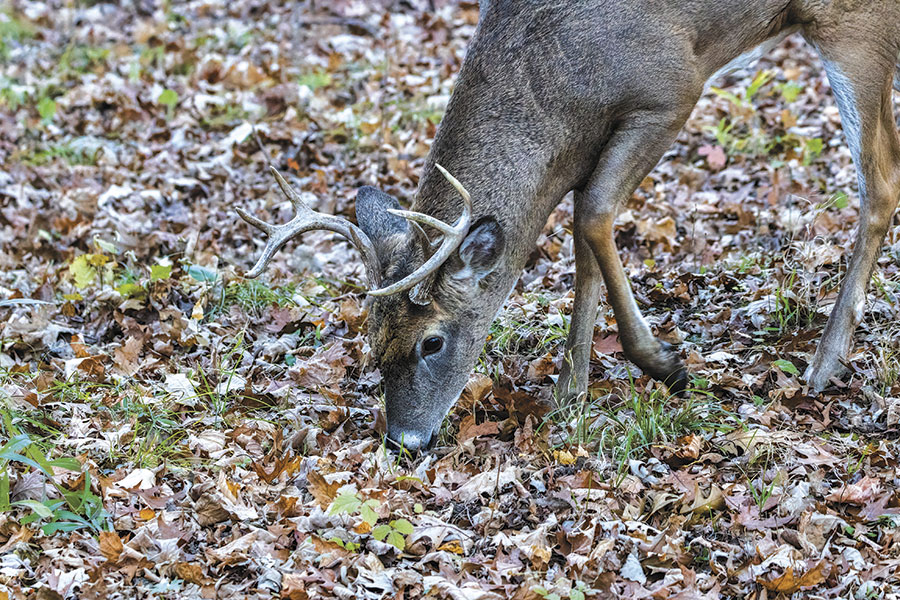
“Normally here in the late season, I’m looking for a striped oak or what some folks call a water oak that’s still dropping acorns,” he said. “The leaves are off the trees and you can look up and easily see the clusters of acorns. When I find one that’s dropping and has deer sign, that becomes my No. 1 spot.”
Griffing also added that he has very good luck on flats that are populated with pecan trees.
“It seems like the pecans fall late, and in those areas with high concentrations of pecans falling, I see large numbers of deer,” he said.
Union Parish hunter Heath Eubanks also spends his late season in search of food sources.
“Union Parish is one of those places with lots of pine plantations, so finding late dropping acorns isn’t always a sure thing,” he said.
Knowing this, Eubanks puts time in during the early fall establishing food plots of brassicas and wheat.
“I know I’m going to have to set the table so late-season bucks can find food,” he said. “If I can get a plot established on a particular piece of property, I know there will be deer there in January.”
Avoid the pressure
After half a season of avoiding hunters, bucks will become wary, abandoning their normal bedding areas in favor of out of the way or out of the ordinary bedding cover. Griffing will spend time looking for these areas.
“I look for for thick, overlooked places where they may be bedding or traveling, not necessarily big blocks of timber,” he said. “Some of my best bucks have come from areas that were scattered trees in briars or on the edge of a big brake or swampy area. They also like to lay on the knolls and root balls in the water when they are heavily pressured.”
Eubanks said that his second favorite late-season tactic is to really look closely at a buck’s home range.
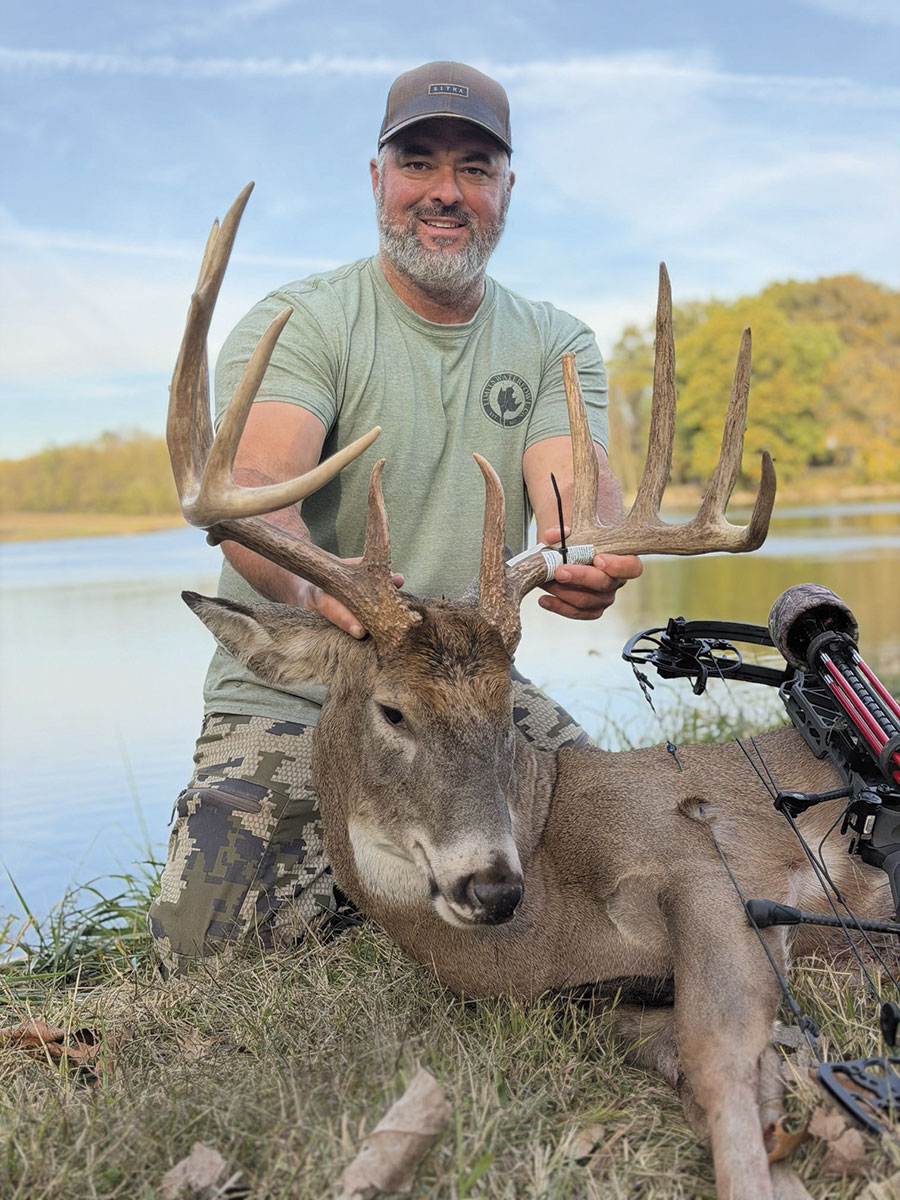
“I’m looking at those areas where I may have gotten a trail camera photo of him in late summer or early fall,” he said. “Lots of times after failing to connect on my target buck during the early season or rut, I’ve been able to reconnect with the deer during late season by revisiting those home ranges. Typically those bucks will gravitate back to those areas they used during the fall.”
Eubanks went on to add that he spends time in the thickest areas of those home ranges.
“Those thick areas will also hold most of the browse that’s left, and deer will actively search out these last remaining bits of natural vegetation,” he said. “I’ve seen deer pull the last leaves off a bush that you’d never expect them to feed on.”
These thick areas within the home range offer safety and solitude for bucks looking to recover.
Mornings can be trouble
Knowing that late-season bucks are slaves to their stomachs, hunters need to be aware of when the best time to hunt is. For Eubanks, mornings can be trouble during late season.
“Over the years, I’ve gotten to where I try and either avoid hunting mornings or make sure I’m going into an area where I can approach my stand without bumping deer that may be feeding in fields or oak flats,” he said. “I believe that late-season bucks will get up shortly after noon and begin feeding, making their way towards larger food sources so that they arrive there around dark. Then, after feeding most of the night, they’ll make their way back to their bed just prior to daylight.”
Trail cameras
Trail cameras are always an important scouting tool, but late season is when having cameras out and activated can really pay dividends. For Griffing, discovering a new buck late in the season is the main reason he continues to run his cameras until the very end of the season.
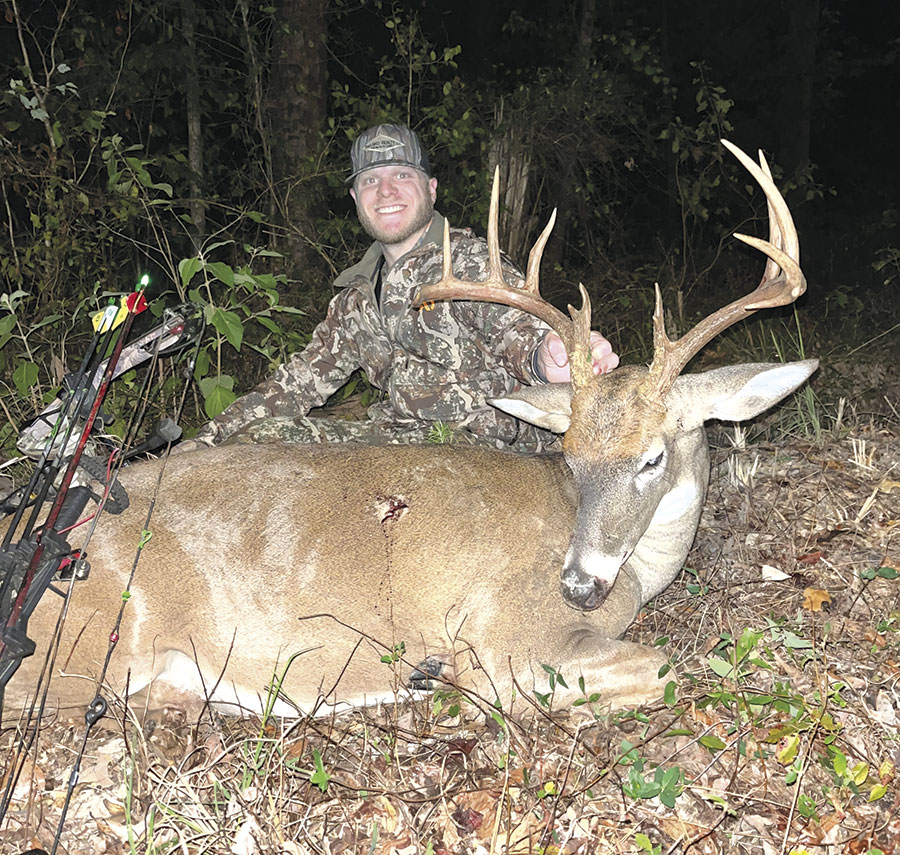
“I know lots of folks who will kinda give up on their cameras after Christmas,” he said. “I prefer to keep mine running, making sure they have hot batteries and a paid-up subscription. This has paid off for me a few times over the years with the discovery of a new buck that may just be passing thorough, spending only a few days on the property before returning to his home range.”
According to Eubanks, hunters should take advantage of every tool in their arsenal when it comes to punching a late-season tag.
“Trail cameras are extremely important for me,” he said. “I’ll place some in those home range areas on trails coming in and out of heavy cover. I may not get many pictures with the limited view the camera can see, but on more than one occasion that single photograph I get may be of a target buck.”
Let’s hear it for the girls
Both Eubanks and Griffing will seek out areas holding does.
“If I’m set up on one of my food plots and I have several does feeding in front of me, my confidence is sky high during late season,” Eubanks said. “Even though peak rut may be over, bucks know that does who weren’t bred will continue to come into estrous. Countless times during late season I’ve seen mature bucks working the downwind side of a food plot that had feeding does in it.”
Griffing agreed, adding that late-season bucks are some of the most wary animals in the woods.
“Those late-season bucks will gain confidence watching does feed either in a plot or on acorns in the woods,” he said. “Eventually, they’ll drop their guard and come in, also offering me an opportunity to finish off the season on a high note.”