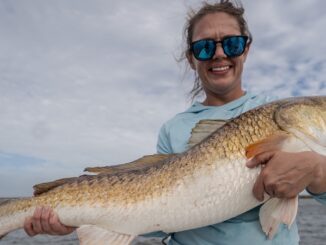
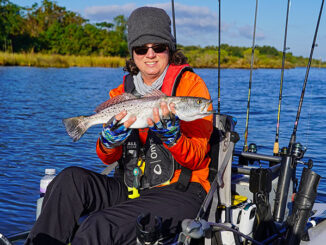
Lake Pontchartrain was the picture of consistency for speckled trout catches throughout the spring and summer of 2025.
Generally, the hot trout bite in the eastern part of the lake along the train trestles, Highway 11 Bridge and Interstate 10 Twin Spans begins to peter out in early June. Climbing water temperatures, longer days, increasing salinities and the itch to make babies push trout into Lake Borgne and towards Chandeleur Sound for the summer. This year was different, however. Trout catches stayed consistent through the Fourth of July weekend.
One veteran Pontchartrain guide and avid angler reported he was having trouble finding trout inside the 13- to 20-inch slot, not because the fish were too small to reach the bottom end but so many fish were pushing past the 20-inch mark. Louisiana’s trout regulations only allow two of a 15-trout limit to be fish past 20 inches long.
Lake Pontchartrain has always been a decent fishery, producing speckled trout, obviously, as well as redfish, drum, sheepshead, the occasional tarpon as well as a host of freshwater species like bass, shellcrackers and blue catfish. But, 50 years ago, after shell dredging operations had mined the majority of the lake’s extensive water-cleaning Rangia clam beds and poorly treated sewage was pumped into the lake from Jefferson and other parishes, it wouldn’t have seemed likely the lake and surrounding wetlands would one day be held in as high a regard as Grand Isle or Cocodrie when it came to trout production.
The Pontchartrain Conservancy
Lake Pontchartrain’s recovery can be traced back, largely, to the creation of the Lake Pontchartrain Basin Foundation, now called The Pontchartrain Conservancy, in 1989. A group of New Orleans and Northshore citizens and scientists had enough of the constant poor water quality and loss of habitat that had plagued the lake for nearly a century. Throughout the 1990s and beyond, the Foundation’s “Save Our Lake” campaign became ubiquitous across the region with countless cars emblazoned with the simple and direct message in blue and white bumper stickers.
Shell dredging operations were banned in 1990, allowing the mussels to begin a slow comeback. Hundreds of millions were invested in updating sewage treatment facilities in Jefferson Parish. While dumping solid waste like tires and old appliances was curbed by increased enforcement and fines.
Saltwater intrusion from the Mississippi River Gulf Outlet had also killed off many of the historic submerged grass beds that lined the lake, helped clean the water and provided vital fisheries habitat as well as tens of thousands of acres of brackish marsh. While many argue the super-salty waters coming up the ill-fated ship channel improved speckled trout catches, the increased salinities also led to broad areas of low oxygen along the lake’s south shore while poisoning freshwater marshes and cypress swamps throughout Northshore rivers and the Manchac land bridge.

The Conservancy’s work has been aided by a program it helped create in 2000. The Lake Pontchartrain Basin Restoration Program was first authorized by the Lake Pontchartrain Restoration Act authored by then Congressman David Vitter. Administered by the Environmental Protection Agency, the program began making small-scale grants in 2002 to towns, parishes, advocacy groups, universities and others capable of developing projects, science and public education programs that improved the Pontchartrain Basin’s water quality, fish and wildlife habitat and increased public access to healthy water and fisheries.
Updating the management plan
A 1995 comprehensive management plan and subsequent 2006 comprehensive habitat management plan have guided the decision making for projects receiving funding from the program.
Obviously, much has changed in the Pontchartrain Basin, which ranges from southern Mississippi across the Northshore and Lake Maurepas and all the way to Pass a Loutre at the mouth of the Mississippi, since 1995.
The saltwater intrusion from the MRGO has been slowed by closure structures on either end of the channel, while new connections to the Mississippi River have opened at Mardi Gras Pass and Neptune Pass. Hurricane Katrina and other hurricanes and tropical storms exposed major weaknesses in storm protection levees and floodgates leading to more physical structures to protect communities. Development across St. Tammany, Tangipahoa and Livingston parishes has put pressure on sewage treatment facilities and aging septic systems and increased stormwater drainage. Also, invasive plants and fish have found their way into rivers, bayous and lakes across the region.
Recognizing the need to update the management plans and expand the restoration program, Louisiana Senator Bill Cassidy secured $53 million in 2021 to, in part, fund an update to the comprehensive management plan to reflect the changes in the Basin over the last 30 years. A new management plan is set for completion in 2026 and will guide decisions to continue to develop the best projects, science and community engagement needed to keep Lake Pontchartrain and adjacent waters healthy and productive into the future.
The success of Lake Pontchartrain’s restoration should be celebrated by all who live in South Louisiana. The boats lining the lake’s famous bridges or chasing birds in Lake Borgne in the fall are a reminder of just how much progress has been made in the last 30 years. Hopefully, thanks to the hard work of a handful of elected officials, advocacy groups and residents working to update the Pontchartrain Basin’s management plan, that progress will continue for the next 30 years and beyond.