One problem with Louisiana being the Sportsman’s Paradise is trying to do it all. With great hunting and year-round fishing, trying to fit it all in can be a problem — albeit a good problem. Many kayak anglers opt to forgo the colder months but cannot wait to get on the water as soon as the weather gets milder. With duck and deer hunting distractions over, spring is a great time to dust off the kayak and head for the marsh.
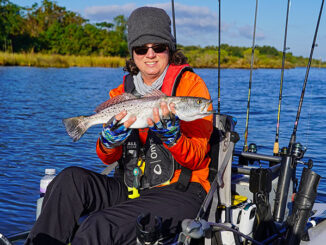
When conditions allow, winter provides some great kayak angling, as trout and reds tend to stack up in deeper areas. However, as spring approaches, trout begin their transition from the inner marshes and head towards the larger bays, lakes and coastal areas. Certainly, trout can be caught in the interior marshes year-round, but the approaching spawning season has many of them moving towards saltier areas.
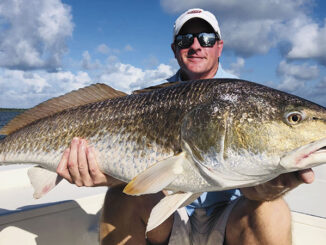
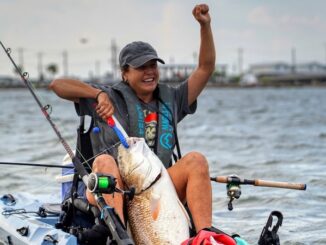
While redfish haunt the marshes year-round, they spread out more in spring and the feeding becomes more aggressive as the water warms. Live shrimp is sometimes available in the spring, but they are often small and availability is limited. Cocahoes are a great live bait alternative, but as the water warms and feeding becomes more aggressive, a wide variety of artificial lures work great this time of year.
The water temps in March have begun to rise and the fish will get more active. However, this also spreads them out, and you might not find them piled into one spot as in the fall or winter.
Bait is also scattered and scarce during this transition time, so key in on any signs of bait or water disturbance.
Windy days
While the weather is milder and more comfortable for kayak fishing, March is known for windy days that can provide challenges fishing in open areas. If the chop is not too high, you’ll likely find more fish along wind-blown areas where they congregate to ambush bait driven there by the waves. Fishing these areas is a bit difficult and requires constant paddling or pedaling, unless you anchor up.
Also, if the wind is too strong or has been blowing for a couple days, the water can become muddy and make things more difficult. Don’t be afraid to try any spot that has water. The fish are moving around and can be found in spots where you may not expect them. If there is not much tide movement, use the wind to your advantage by fishing points and cuts where the wind is driving the water across or through the area.

Once you find a particular pattern, try to repeat that in other nearby areas. Use a map to find similarly facing shorelines and head to those areas once the spot you are fishing peters out.
Depending on how cold the preceding winter was, grass beds may still be available, or new areas may have begun their new growth. Grassy areas are great when the wind has dirtied the water, as it acts as a filter. Any areas with grass beds will be clearer. The grass might be difficult to locate due to the waves, but look for it using good, polarized glasses and take note of any grass hit during your retrieve or found on your lure. Fish this area from various angles, as the grass holds both bait and fish.
Covering water
Trout and reds can be found all across the marsh. Don’t overlook any point, cut, or other irregular shoreline feature. Of course, areas with moving water or active signs of bait are always a good bet. Having a couple rods rigged with different set-ups makes locating fish and dialing in on what they want much easier. Since fish are a bit scattered this time of year, catch a few and keep moving along to locate new fish.
A popping cork is a great search bait and helps cover water all around the kayak while looking for fish. It is easy to cast in every direction, and that popping sound gets noticed when you hit the right spot. Using a variety of baits/lures and techniques is the key. Try a little bit of everything, in every direction, before giving up on a particular location. You can literally miss the fish by just a few feet if the area isn’t thoroughly worked.
Although the surface may look the same, there may be an unseen feature that has the fish where they want to be. An oyster reef, a ledge, a current break or anything that provides a change of structure is key to congregating the fish. Covering the water column is just as important as covering different areas. Even in marsh areas just a few feet deep, fishing on the bottom can be more productive than under a cork or vice versa.
Topwater fishing
If you’ve never tried a topwater lure, you’re missing out on some of the best and most thrilling fishing action there is. A calm, spring day is a great time to start. Kayaks lend themselves to topwater fishing as their stealthy nature gets you close to the action without spooking the fish. Some like to stand and cast, but with a little patience and practice, productively fishing topwater lures from the seated position in a kayak is not very difficult.
Topwater lures are effective but are difficult to work with a significant chop on the water. Many of the largest specks caught in spring come from slowly fishing suspending baits. These lures are hard to resist when they glide in front of a big fish’s nose. The fish are not yet in attack mode but are active enough to inhale these slow-moving offerings.
Be prepared. A mild spring day might seem to call for shorts and sandals, but the water temperature is still likely in the 60s and can cause hypothermia if you get too wet. You’re in a kayak — you’re going to get wet. Dress properly and keep a towel and a change of clothes with you.
Spring provides comfortable kayak fishing conditions and great action. Now is the time to get out there.