There are plenty of spots on the river to find blue catfish this summer
Summer has arrived and with it comes four months of relentless heat and humidity that makes you break a sweat just hitching up the trailer. Highs pushing the upper 90s paired with humidity hovering near 90 percent doesn’t exactly inspire most fishermen to load up the boat and head out. But for Mike Jones of Madisonville, June means one thing: catfishing.
Younger days on the river
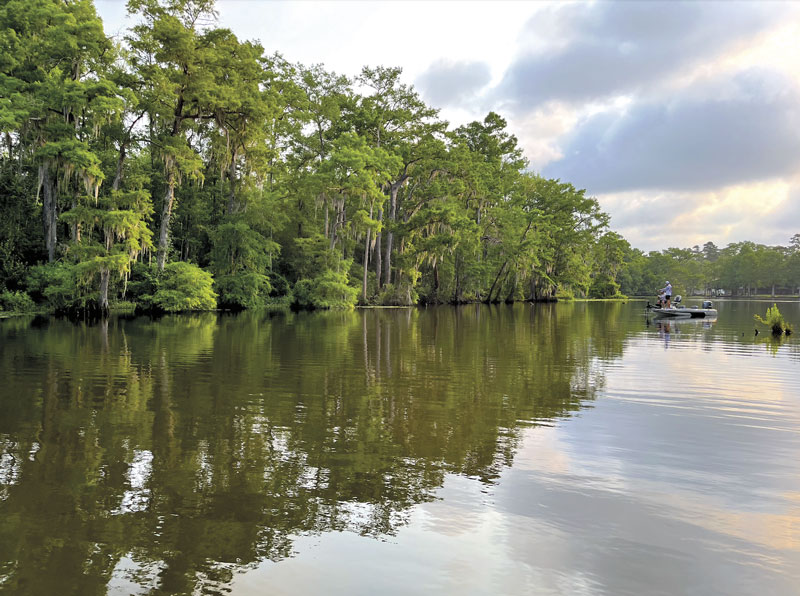
Jones grew up on the Tchefuncte River, and like most kids, he fished for whatever was biting. Bass, bream, garfish and even the occasional alligator snapper. But some of his best memories come from when he was fishing for catfish.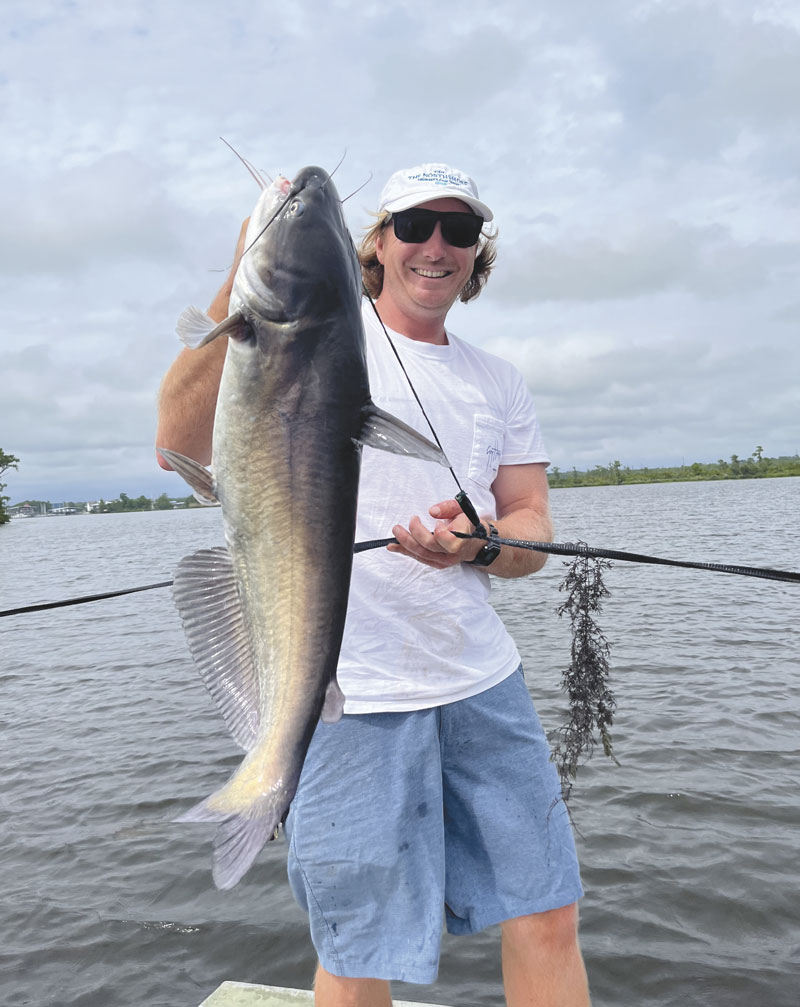
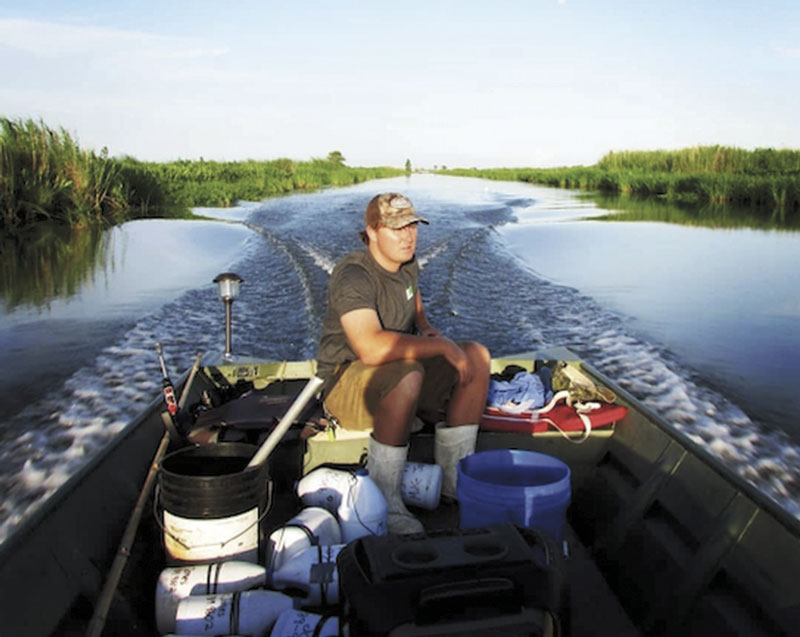
“I remember going out on the river to run lines in a leaky flatboat with just a push pole, no motor, a cast net and my trotline equipment,” Jones said. “I would fish all the time like that, running lines back and forth. My hands would get so torn up.”
It was during those long nights alone on the Tchefuncte that Jones developed the kind of river wisdom that can’t be taught by going on only a few fishing trips. One of his earliest lessons came after dark, and it’s one he still relies on today.
“The first thing you notice at night is the sound of the baitfish flickering on top of the water,” he said. “That tells you exactly where to throw the cast net.”
On one particular night after catching some shad, while he was still in the process of setting his trotline, he felt a heavy pull. A big catfish, barely hooked, began thrashing while Jones was pulling the boat towards the fish. Before Jones could react, the fish rolled and was nearly torn free from the hook.
“I didn’t have a net back then, so I just reached down and grabbed it with my hands,” he laughed. “After that I went and got a big net. It’s been well used ever since.”
The spawn
In June, Jones focuses on the deep bends of the Tchefuncte River. This is where he finds a lot of blue cats feeding heavily on schools of shad that gather in the midsection of the water column. For anglers with electronics, it’s quite the sight to watch the blues shoot up underneath a school of shad and blow right through it.
However, Jones is quick to point out that June isn’t the month to target big fish. Blue cats spawn locally from May through mid-June, and while they don’t all spawn at the same time, a good percentage of them are in spawn mode during that window.
“When they are in the spawn they are not focused on eating,” Jones said. “They are driven to spawn and fight in the shallow water along the soft banks.”
This month, Jones said you can expect smaller fish rather than big ones. The blue cats in early June are either too young or unable to compete with the bigger fish for spawning areas.
“Most fish weigh less than 10 pounds,” he said.
The real prize comes when the blues finish spawning, which for most fish happens by mid-June. When they come off the nest they are hungry and on the move.
“When they come out of the spawn they are actively eating,” Jones said. “You can find them moving around and feeding hard.”
One telltale sign that the spawn is winding down is the appearance of large, scarred-up males in the middle of June. After weeks of guarding the nest, these fish show up on his lines looking like they’ve been through a war, extra slimy and worn out but finally ready to eat again.
What to catch them on
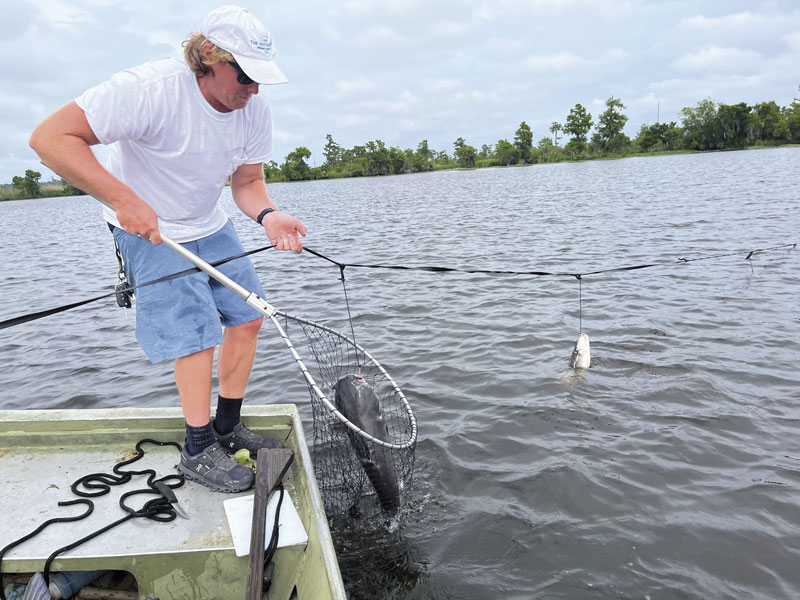
When it comes to targeting blue cats on the Tchefuncte, Jones said some methods perform better than others this month. The river in summer is a different animal than it is in the fall and winter, and what worked in March won’t necessarily put fish in the boat come June.
- Rod and reel – His top choice for the month is rod and reel, particularly when working the deep bends where the fish are actively feeding on shad.
“During June, there will be lots of small baitfish,” Jones said. “Your best bet is to get some live shiners and drop them to the bottom on a split shot and slowly reel up.”
Jones said the Tchefuncte is well known for its deep bends and there are plenty of spots to find them up and down the river. The key is getting the bait down to where the fish are holding and working it up slowly through the water column.
- Jug lines and limb lines – For those who prefer a more passive approach, jug lines and limb lines baited with live shiners are a solid second option. Jones said shiners are easy to source and make excellent live bait for both methods. He also shared a tip that allows him to dial in the size of fish he’s targeting based on bait selection.
“If I bait with small pieces of shrimp I’ll catch lots of smaller fish,” he said. “If I use a cut mullet I’m looking at catching mostly bigger catfish.”
Regardless of which bait he uses, Jones is particular about how he rigs it. He wants the hook point exposed and working.
“Put the hook through the skin of the mullet or the shell of the shrimp so it holds, but most of the rest of the hook should be barely holding the bait,” he said. “Having most of the hook exposed is best.”
- Trotlines – One method Jones strongly advises against in June is trotlines. While trotlines are a productive option in cooler months, the summer heat creates a problem that most anglers have seen firsthand.
“By June, trotlines are not a good option,” Jones said. “The lines need to be fished deep enough so boats don’t get snagged in them, but overnight the oxygen level in the water changes and you end up with a lot of dead fish. That’s why you see so many dead ones floating that time of year. It’s best to put the trotlines away until it cools off again.”
Fry ‘em up
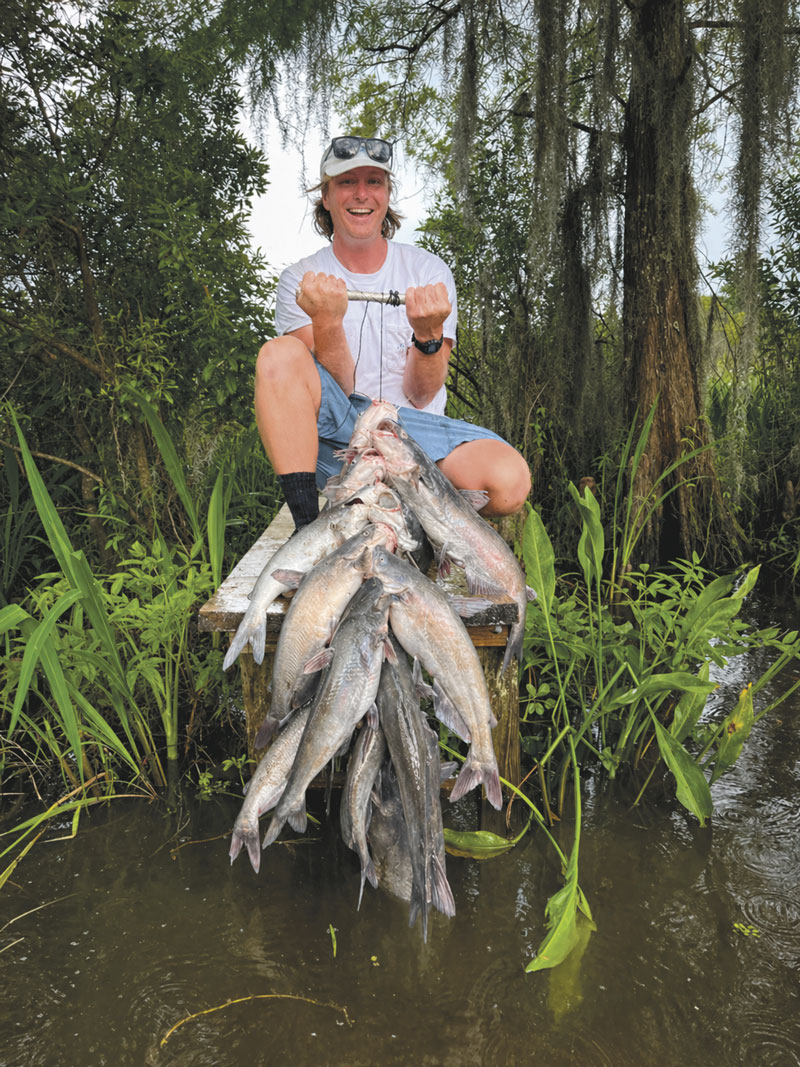
For Jones, a good day on the Tchefuncte isn’t measured by the size of the fish. It’s measured by how many quart-sized freezer bags he can fill by the end of the season.
“I’m just trying to catch enough for my friends and I to get together and fry throughout the year,” he said.
Jones targets school cats in the 7-pound-and-under range for the table, and June’s smaller fish fit that bill perfectly.
“I release all the big fish so they can lay eggs,” he said. “They aren’t good to eat anyway.”
Jones said there are two good reasons to stick with the smaller ones.
“First, they aren’t greasy,” he said. “Second, they haven’t been in the river long enough to absorb the mercury levels found in older breeder fish. The big ones go back in the water every time.”
Once he’s back at the house, Jones fillets the fish and trims out all of the red meat before putting them into quart-sized freezer bags. He finds that amount is perfect for feeding three to four people alongside fries or onion rings. He also noted that quart bags thaw significantly faster than gallon bags, making a weeknight fish fry much more convenient.
“Every year I’m able to catch enough for the whole year and have it nicely packaged and ready to go,” he said. “All my fish are already cleaned. It’s very convenient.”
As June rolls on and the summer heat sets in, the Tchefuncte will move into its summertime pattern. The spawning blues will move out of the shallows and head for the deeper holes, holding tight and waiting for bait to come to them rather than chasing it down. As the water temps rise, bottom fishing will be your best bet.