Columns
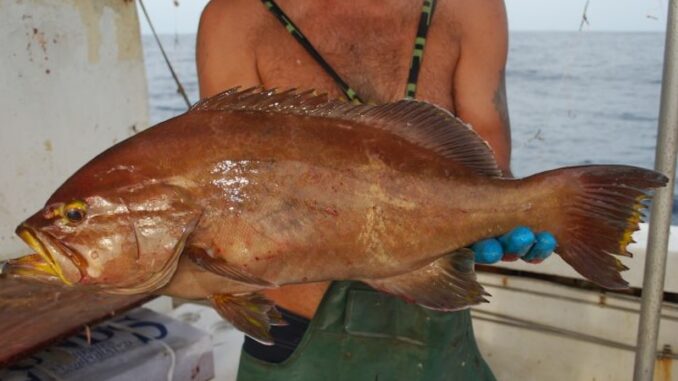
Yellow is a good color offshore
Scamp are found from North Carolina down the Atlantic and Gulf coasts to Venezuela. Yellowfin grouper are a more southern species.[…]
Scamp are found from North Carolina down the Atlantic and Gulf coasts to Venezuela. Yellowfin grouper are a more southern species.[…]
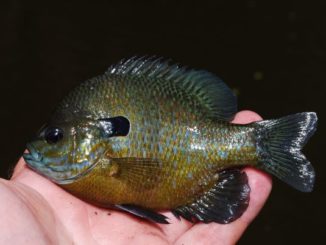
Hybridization, the result of cross-breeding between two species, is rare in nature. Humans can manipulate the mating of animals to produce hybrids, but Mother Nature doesn’t like that kind of fooling around.[…]
Spot are easy to overlook, even though they are a member of the drum family — the same family that gives us speckled trout and redfish.[…]
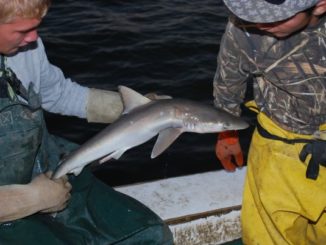
Sharks have never been real popular with Louisiana fishermen — even in the days before shark harvest was regulated.[…]
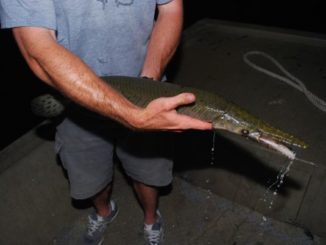
In a state laced with streams, rivers, bayous, lakes and marshes, pretty well anyone who spends time outdoors knows that Louisiana has a lot of gars.[…]
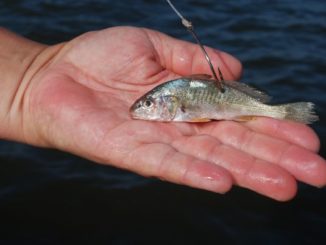
The story of the Atlantic croaker is the story of a fish that has somehow never managed to fulfill its predicted potential. They are truly one of the most abundant fish in the sea. […]
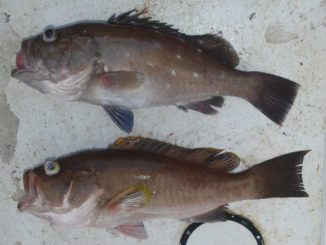
Everybody, and I mean everybody who fishes, offshore loves groupers. They are attractive fish, resembling overgrown and (usually) more colorful largemouth bass. They are brutal fighters when hooked on tackle that isn’t too heavy.[…]
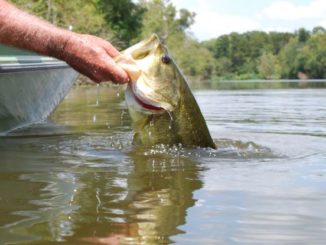
Largemouth bass can be finicky, temperamental creatures under the best of circumstances. When the effects of environmental stressors are added, catching them can seem nearly impossible.[…]
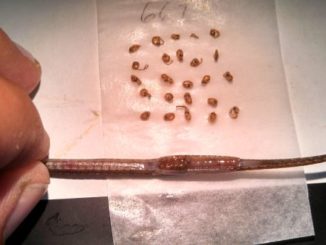
Some fish just can’t seem to get their romantic life straight. For most fish it’s enough for females and males to discharge eggs and sperm into the water. Sometimes they do it in a constructed nest, but most of the time it’s in open water.[…]
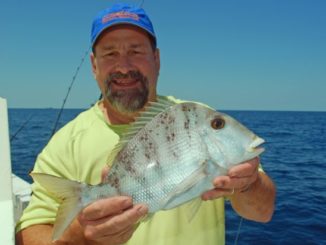
The knobbed porgy, an offshore species in the Gulf of Mexico, is named for the bony bumps located just in front of its eyes.[…]
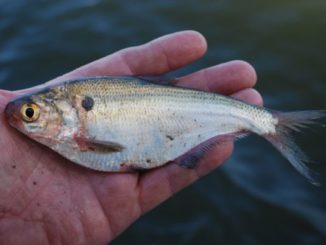
Gizzard shad are under-appreciated fish in most places where they are found. That covers a lot of territory — virtually all lakes and rivers in the eastern United States.[…]
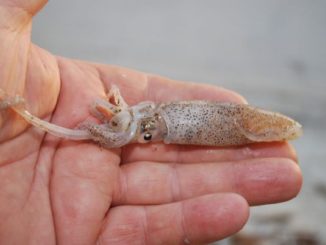
Every time I think of squid, two things pass into my mind. First is the monstrous squid that attacked Capt. Nemo’s submarine, the Nautilus, in the wonderful 1954 movie classic Twenty Thousand Leagues Under the Sea, which is based on the Jules Verne novel by the same name. […]
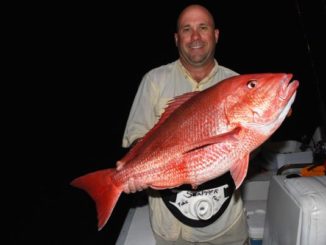
The secret lives of red snappers revealed[…]
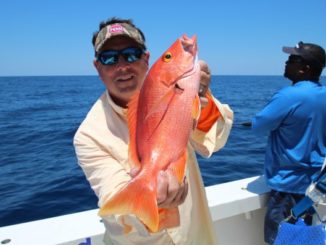
Biologists need to be humbled sometimes.
When I was working at LSU in the 1980s, I spent a lot of time on commercial snapper boats documenting catches of reef fish and looking for new species that could be of interest to seafood consumers.[…]
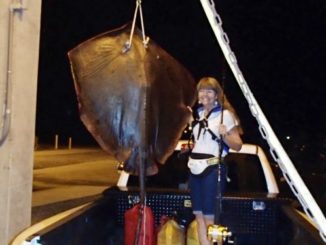
Stingrays are some of the very few truly venomous animals in Louisiana waters. I say “some” rather than “one” because four species of rays with spines on top of their tails occur off of and in Louisiana. […]
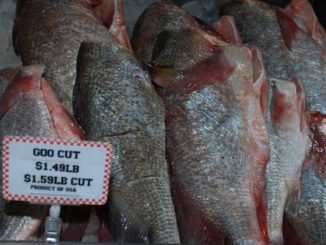
The freshwater drum, Aplodinotus grunniens, has to be the most disrespected large freshwater fish in Louisiana and probably the whole United States.[…]