Before we know it, it’ll be mid-November and “big duck” season will be here. Prior to this, many of us were able to scratch that hunting itch with the September teal and the October whistling duck seasons.
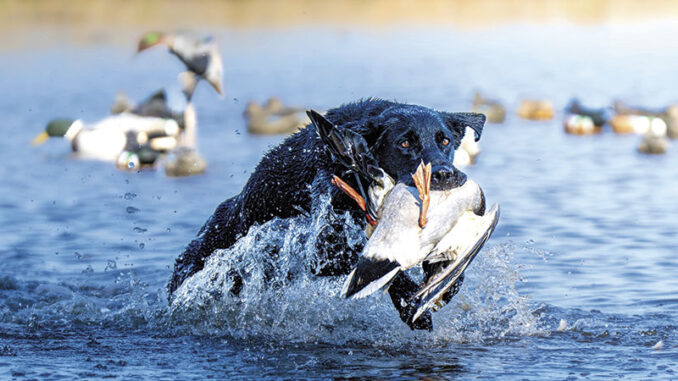
Regardless of when your season begins, tasks to get ready can’t be shirked. Blinds need brushing, boats and ATVs need servicing, decoys and guns need to be checked along with other gear like waders and clothing. As for dogs, they need to be ready to go both physically and mentally.
Physically prepared
Physical preparation is a pretty simple task. During the nine or so months when not hunting, training still takes place but likely not as intense a level as before or even during the season. For a dog that might have gained a few pounds, getting it back to “fighting weight” necessitates cutting back on food and/or switching to a lower protein/fat formula until the desired weight is reached. Do this over about a week, slowly adding more of the new food to avoid any digestion issues that are more common than one would think.
With lower temperatures, physical activity can be increased through road work and water work along with the usual training. Keep in mind that dogs can still be susceptible to heat issues, so handlers need to be vigilant, especially with a dog that has not done much since the end of the prior season.
As dogs age, just like humans, their metabolism slows and they’re apt to gain weight more easily. The same goes for dogs that have been spayed or neutered. Carrying extra weight increases risk or exacerbates existing issues in bones, muscles and joints. Dogs don’t know when to quit and will “play through the pain,” so getting them in peak condition keeps them healthy through the season and can also give them a few more hunts in their later years.
Mentally prepared
Getting dogs mentally ready is a little tougher, but handlers just need to have a plan and be consistent. Even though the “team” may train all the time, nothing in training seems to 100% simulate actual hunting. Typically, there are more shots fired, multiple birds falling at the same time and the dog is working out of a blind or boat.
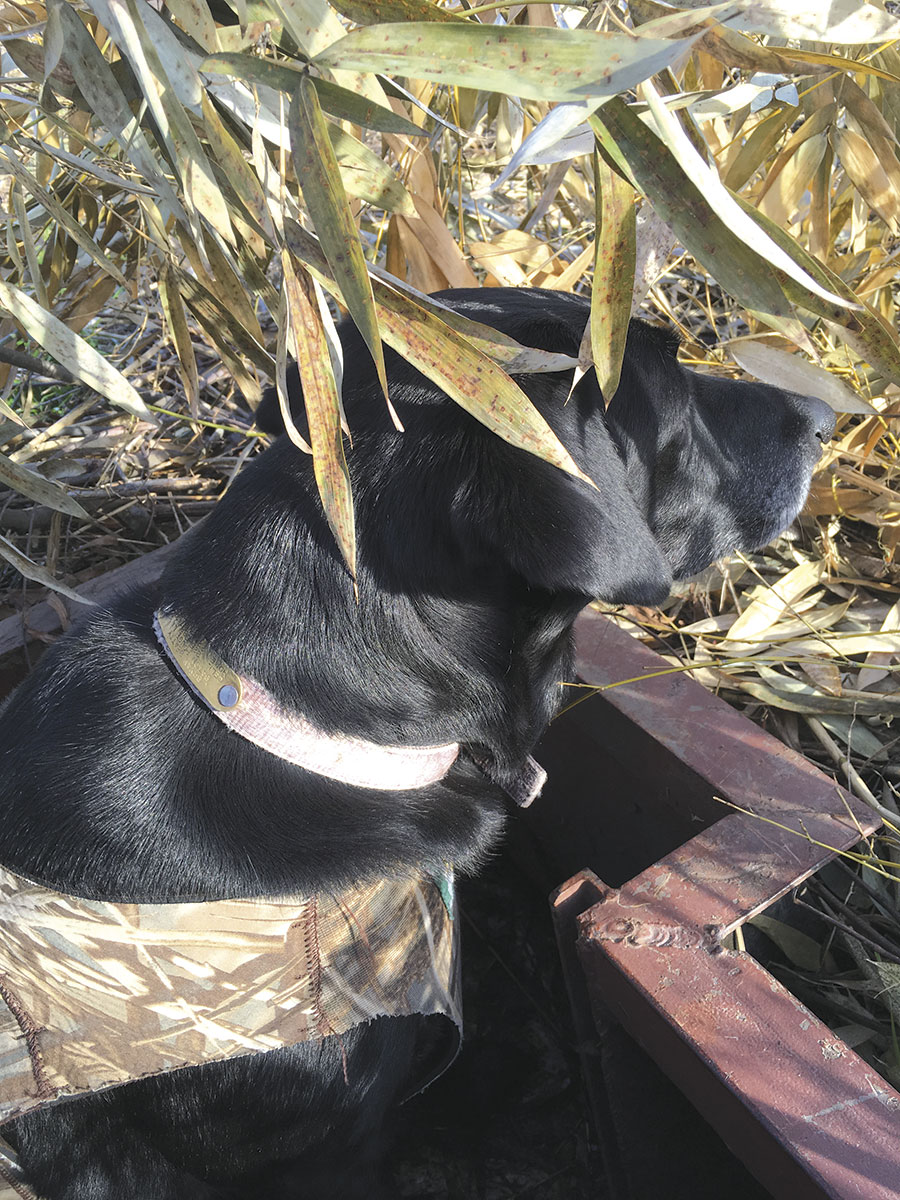 The hunting area also likely differs from the training area. When heading out to the hunting area to get it ready, take the dog out there so it can get the “lay of the land.” Positioning the dog where it will work from and throwing some marks will familiarize it so things aren’t so new opening day. If effective range is 40 yards, train the dog to mark multiples well past it. Conditions can change year to year, so if there is lots of cover where there wasn’t before, train for it using real birds or scented dummies so the dog uses its nose more. Training with a group at this point is invaluable since the handler wants the dog to look out and not look for a hand throw at heel.
A refresher on where the dog rides in the boat or UTV never hurts since dogs get just as excited as the hunters do on the way out. Staying put keeps them out of the way and reduces the risk of an accident in low light or rough conditions.
Decoys
With more and more motion decoys and systems being deployed, it’s easy for a dog to get fixated, and we’ve all likely seen a dog charge out to one thinking it’s a live bird, especially those on the water. Whatever may be used, be sure to put it out along with regular decoys, and throw some marks in the spread. The dog will learn to ignore the “fakes” as well as move through the lines. The quicker birds are picked up, the quicker new birds can be worked.
Lastly, when on the first hunts, remember they’re about to get to do what hundreds of years of breeding built into them. Cut first timers and old pros some slack, they’ll settle in, just keep your aim true so they can do what they love!