Doing the work now could pay off when hunting season starts
During a blistering Louisiana summer, sportsmen might not think about hunting, but opening day will come soon. Whether hunting deer, ducks, squirrels or something else, Louisiana sportsmen must prepare for the upcoming season well before the magic day begins.
The sweltering “dog days” of summer offer the best time to stay in the air conditioning checking equipment. After last season ended, many sportsmen probably dropped their gear in garages, sheds or closets and won’t think about it again until just before the next season opener. Nothing ruins a good hunting trip — or a life — like a bad accident. A little preparation now could prevent tragedy later.
“Before the season starts, people definitely need to go through any equipment they use for hunting,” said Travis Dufour, the Louisiana Department of Wildlife and Fisheries hunter education program manager. “Every year, someone gets hurt in an accident. That’s usually a result of equipment failure.”
Inspect tree stands
Many deer hunters leave their stands in the woods for months. They take them down on the last day and forget about them until the fall. Before putting up any tree stand, thoroughly inspect it. Literally check the nuts and bolts, plus the straps, frames, harnesses and anything else that might break. Fix or replace as necessary.

“Taking care of that equipment is the number one priority,” Dufour said. “Make sure everything is working properly and safe. If it’s not, replace it with the proper equipment. A successful hunting trip is a safe hunting trip. We want everyone to return safely from each hunting trip.”
On private lands, many sportsmen keep their tree stands in the woods all year long, perhaps for years. Straps and safety harnesses become frayed. Animals chew through things. Nuts come loose. Bolts fall out. Critical supports rust and break. Check everything and perform any required maintenance before opening day.
“Safety is always a big issue,” said Karen Leatherwood, a hunting consultant. “A loose bolt can not only ruin a good hunt, but ruin a life. Always wear a full harness when in a tree stand. Always let someone know where you’re going and approximately when you’re going to return so they can go looking for you if you don’t come back on time.”
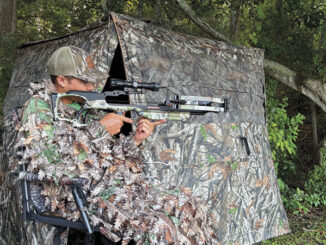
Shooting houses stay in the woods permanently. They also need periodic maintenance. Wood rots. Squirrels could damage old ladders and other objects. Well before the season begins, make repairs. Add new paint for better camouflage. Place or plant some cover around ground blinds. Cut branches to clear shooting lanes and access trails. Replace any tattered netting or other material.
Do some scouting
Private landowners sometimes move stands or build new ones. Before putting up new stands, do some scouting. Whether hunting for deer, squirrels, ducks or anything else, learn everything possible about your area. Game cameras help. Some cameras automatically transmit images to smart phones so people can “scout” 24 hours a day without disturbing the property.
Before heading into new territory look at topographical maps and satellite imagery on the internet. Such imagery shows travel corridors, chokepoints and other terrain features animals might use, although nothing substitutes for boots on the ground.

“Scout and learn as much as possible about an area through footwork, maps, photographs and game cameras before the season opens,” said Bob Ransom, president of Primal Treestands (primaltreestands.com). “With a topographical map, sportsmen can pick good areas they might want to hunt. Look for natural draws and bottlenecks that funnel deer into certain areas, travel routes and escape routes they might use when pressured. Pick spots now that would make good ambush places on opening morning.”
Not everyone can hunt private land. Fortunately, the LDWF controls more than 1.5 million acres for public hunting. The Kisatchie National Forest spreads across more than 600,000 acres. Whether hunting a tiny parcel or a vast national forest, scouting becomes even more crucial on public lands. Pick out several spots to hunt and rotate through them as the season progresses.
“Just because someone scouted a public area all summer or even hunted it for years, that doesn’t guarantee that someone else won’t already be there on opening morning,” Ransom said.
Prepare food plots
On private lands, plant or freshen food plots near stands. Thinning timber creates natural food sources by allowing more sunlight to reach the ground. Increased sunlight promotes plant growth. That vegetation creates food and cover for wildlife, especially rabbits, quail and whitetails. Local wildlife offices regularly offer technical advice on what to plant and how to improve habitat on properties.
“Summer food plots are valuable resources for deer, but I would rank them second to habitat management,” said William McKinley, a Mississippi Department of Wildlife, Fisheries and Parks deer biologist. “Landowners should be constantly looking for ways to improve their habitat. Before planting fall food plots, land managers need to prepare their plots in August and September. If I could only afford one type of food to plant, I’d go with clover.”
A perennial plant, clover reproduces itself and keeps covering fields for years. McKinley also recommended planting oats and wheat. On fields measuring at least 5 acres, plant soybeans. Other good food sources include cow peas and partridge peas. Diverse plant mixtures give deer and other animals more food variety to eat.
Practice with your weapon
Sportsmen also need to check their weapons. After buying a new gun, learn to operate it safely. Practice with it. With a new shotgun, see how it patterns with various loads. For rifles, a scope zeroed perfectly in January doesn’t necessarily mean it’s still a tack-driver in November.
“Whether hunting with a bow or a firearm, practice with it and make sure everything works as it should,” Dufour said. “Have confidence in the equipment. That scope might have been bumped around since last season and could be off.”
Bow hunters get a jump on other deer hunters and can hunt many places off-limits to firearms hunters. Bowstrings fray and break. Sight pins bend out of shape. Some archers replace their bowstrings, even their cables, before each hunting season.
Archers must practice more to become proficient than sportsmen using firearms. Practice as if hunting. Archers who plan to hunt from elevated stands should practice shooting from approximately the same height. Despite the heat, wear clothing typically used for hunting during the season.

Tired of shooting at round targets in the backyard? Go to a 3-D range and shoot life-size targets depicting deer, bears, turkeys and other animals! Many clubs hold tournaments throughout the year where archers could hone their skills and possibly win prizes.
Check your equipment
Besides stands, guns and bows, all sportsmen should check other equipment, such as boots, calls, flashlights, backpacks, vehicles, tires, etc. Even if going for a short afternoon hunt, carry a cell phone and some basic survival supplies like water, emergency food, matches, a flashlight and a knife.
Waterfowlers especially need to check their boots, raingear and other garments. Decoy lines could rot after sitting in the water. Replace missing weights. Add more brush or other materials to blinds. Make sure boat lights work and all craft meet necessary legal and emergency requirements. Many people stuff life jackets into lockers, possibly for years. Are they still good? Does the boat have enough for everyone?
“Boots sitting in a closet for months could dry rot or get punctured,” Dufour said. “The best way to find leaks in boots is to step in really cold water.”
Permanent blinds could attract more than ducks. Some blinds stay out in the wilderness for decades and remain empty for months. The structures make very attractive homes for various wetland residents.
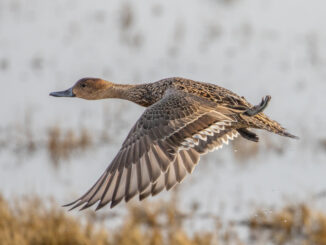
Check for things like spider webs and wasp nests, especially during teal season or warm weather in early duck season. Bring some insecticide to deal with stinging insects. Nothing spooks inbound pintails like hunters jumping around in the blind at dawn on opening day trying to swat hordes of angry wasps.
Every morning during the season, especially on opening day, check for other occupants in the blind. Snakes, turtles, nutria, muskrats, raccoons, even alligators could consider a duck blind a cozy nest. In pit blinds, unwanted animals can’t easily exit.
Know the regulations
More than most other sportsmen, waterfowlers need to check their firearms and ammunition. Check pockets and other places for lead shot. During the conservation order goose season, waterfowlers can use unplugged shotguns. If the shotgun still holds more than three shells on opening day of duck or dove season, that could be a problem.

Also, check the state and federal regulations plus season dates. Regulations and season dates change occasionally. Regulations from one public hunting area could differ from another or from surrounding private lands.
“Regardless of what someone wants to hunt, I highly recommend looking on the LDWF website for the hunting regulations and season dates,” Dufour said. “Any changes are usually highlighted at the beginning of the hunting pamphlet. People might think they know the regulations and dates, but something could have changed since last season.”
For Louisiana season dates and regulations, see www.wlf.louisiana.gov/page/seasons-and-regulations. For information on public hunting properties, see www.wlf.louisiana.gov/page/wmas-refuges-and-conservation-areas.