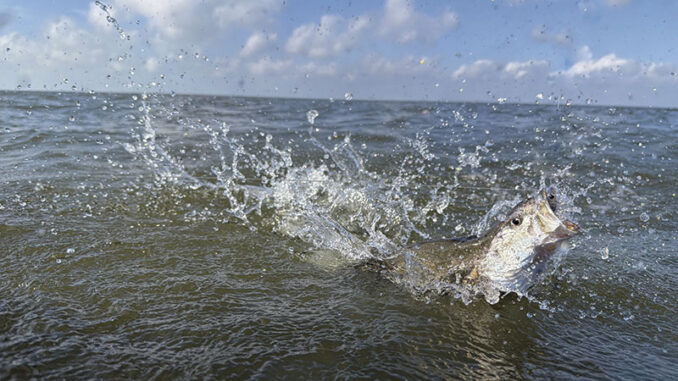
Schools of this underrated species are thick in the marshes right now
When it comes to bycatch, Louisiana leads the nation in fish species that end up in the ice chest without ever being the primary target. Blue cats, drum and sheepshead are just a few of the fish you’ll find mixed in with a limit of speckled trout or redfish. But of all bycatch, one fish stands out as the most caught, and most kept, of them all: white trout.
High heat
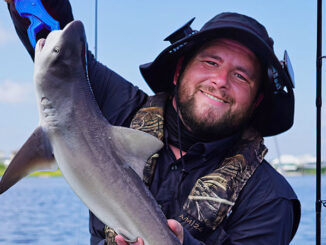
While the rest of the country is trading flip-flops for pumpkin spice, Louisiana anglers are still sweating through 90 degree afternoons. Jay Angel of Denham Springs is one for those fishermen. Angel fishes the beaches of Grand Isle, primarily Elmer’s Island, targeting speckled trout. But when the white trout roll in, he doesn’t miss a beat, catching them with the same lure he throws for specks.
“I’ll either use a Matrix or a Vudu Shrimp out there in the surf and that works well for specks as well as whites,” he said.
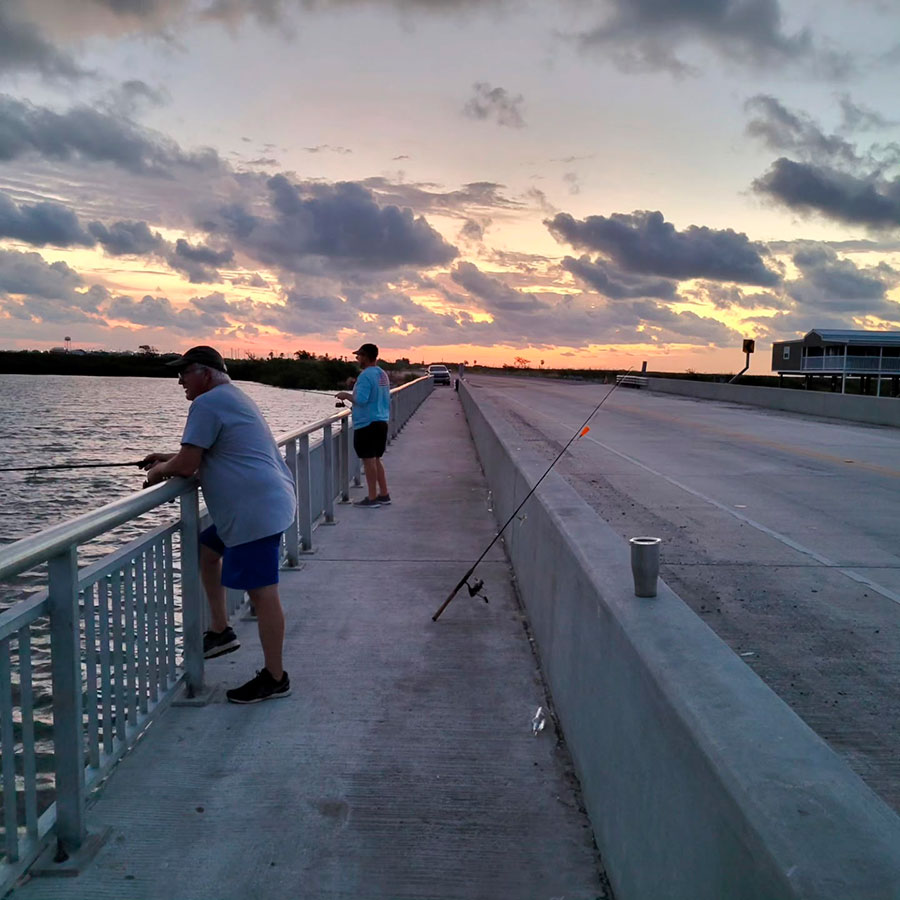
Angel said the bridges that greet you as you enter Grande Isle are also a favorite this month. But of all the places he catches white trout this month, it’s a certain fishing pier that performs best in the heat.
“I like to wait until night time when it gets a little cooler,” he said. “I’ll head over to the public fishing pier next to Bridge Side Marina and catch them under the lights.”
When fishing a pier at night, Angel sticks with artificials and said he has the most luck lowering down the lure to the top of the water column.
“You don’t want to lower it to the bottom there,” he said. “Those lights draw the white trout to the surface to feed.”
Beat the mush
White trout have one legitimate knock against them, and it isn’t the fight or the flavor, it’s that its soft texture makes it a difficult fish to freeze. This seems to be a polarizing debate between anglers across the sate. But there’s a way to beat the mush.
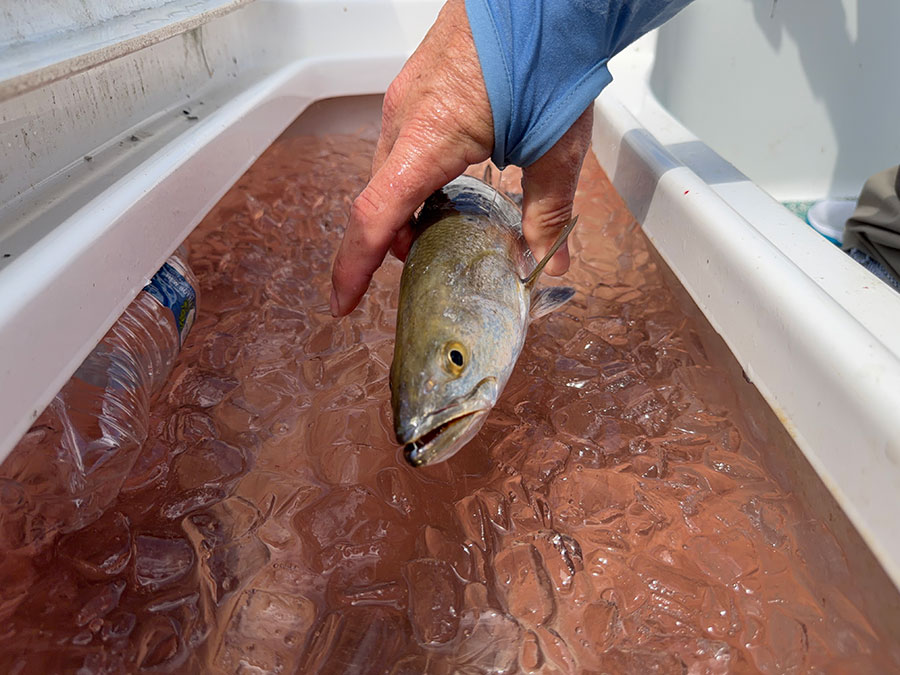
LSU’s Sea Grant program did a study and it determined that a white trout’s muscle carries natural enzymes that begin breaking down tissue almost immediately after they die. This translates to one thing: the colder you can get your ice chest, the better. I find I get the best results when I mix up a slurry of ice and water at the boat launch. Then, when I start catching, that water is as cold as it can get. I drop every white trout straight into it the second it’s unhooked. Chilling white trout to near 32 degrees within minutes of the catch slows that enzyme activity. It’s that fast temperature drop that virtually freezes the meat before it ever reaches the cleaning table.
But the prep doesn’t stop after cleaning these fish. Keith Bergeron of Pair-A-Dice Charters has a unique method for preparing the fillets. Bergeron continues the process by seasoning the fillets and coating them with fish fry.
“I take my fillets and season them first,” he said. “Then I roll the fillets in fish fry and place them on a baking sheet.”
Bergeron then rolls them up, making sure that each fillet doesn’t touch the other, and adds them into the freezer until he’s ready to fry them.
“When you are ready to cook them, just take them out of the ziplock bag and put them directly into the hot grease,” he said.
Whitey setup
While the majority of white trout come into the boat as bycatch, there are adjustments anglers can make if they want to specifically target these fish. The first thing to remember is white trout don’t grow as big as speckled trout. So while you are used to seeing 13-inch specks in the ice chest, the line for fillet-worthy white trout will drop to about 10 inches.
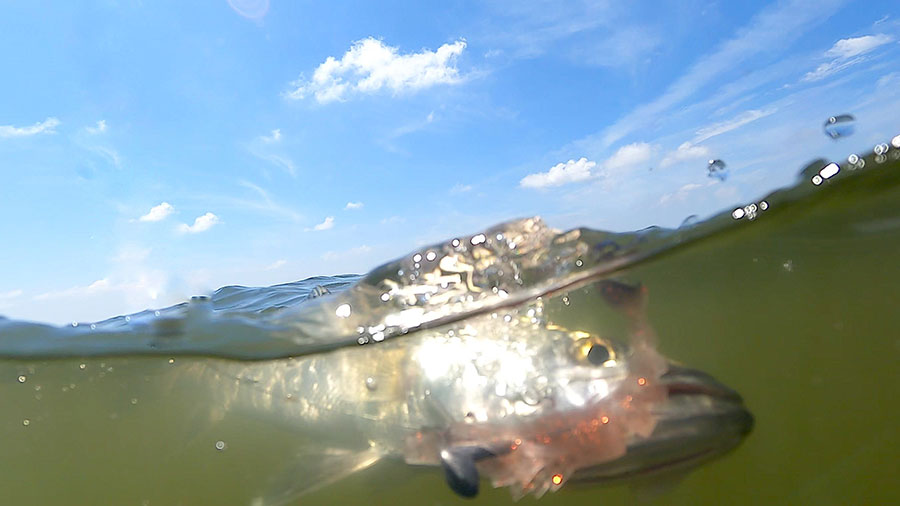
Light spinning tackle works best when catching whites. I like to use 8-pound mono tied to a 1/0 circle hook on a tagline about 1 foot above a bank sinker. The weight of the sinker depends on how strong the current is on the bottom. White trout are known for gathering in mouths of canals and passes where there is strong current. This will dictate how heavy your weight should be. Go with a 1/2-ounce bank sinker if it gets you down to the bottom and increase the weight if the current is moving your line.
When it comes to bait, small pieces of cut shrimp work well, but there’s a more efficient approach you can take. Growing up, my father and I would always head out to the mouth of Bayou Bonfouca in Lake Pontchartrain with only a few pieces of shrimp. Those pieces would serve to catch the first white trout. After that, my dad would cut the fish into small pieces, leaving a bit of skin on each one. That skin acted as backing, so the meat stayed on the hook far longer than shrimp ever would. Rigged that way, a single piece of white trout could sometimes account for several more fish before it needed replacing. When using this setup you can also expect to put a few croaker in the boat, as these fish are usually found in the same areas as white trout.
Where to find them
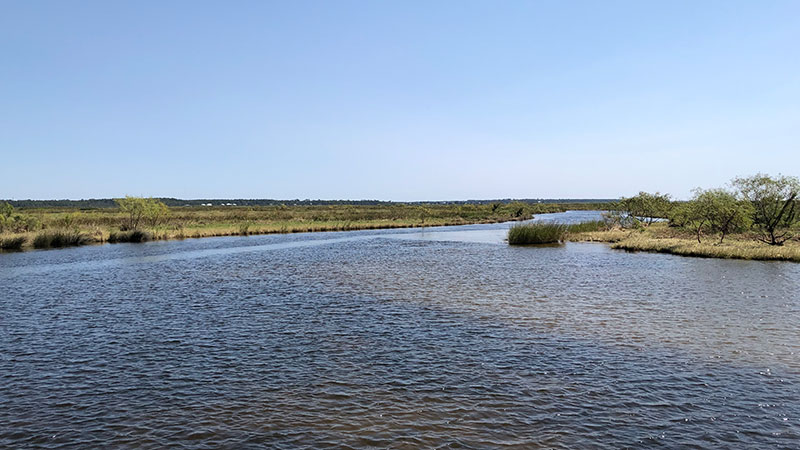
It’s not hard to find white trout. These fish are scattered just about everywhere, but when it comes to finding large schools you’ll want to find moving water. While any tide will work, I find that a strong falling tide whips these fish up into a frenzy. I like to target mouths of bayous and canals that lead into bigger water. That can be either an open bay or a larger canal.
Some of my favorite spots to check are the marshes around Hopedale and Barataria, along with the canals that drain into Lake Pontchartrain like Bayou Bonfouca. Down toward the mouth of the river, Head of Passes, South Pass near Port Eads, and Main Pass 69 have all been solid producers too, especially around Lonesome Bayou and the shallow rigs scattered through the West Delta. Grand Isle is another good bet since white trout show up in the surf and the passes nearby just as easily as they do in the marsh.
Right now, these fish can still be caught in inshore water. But as the weather cools down later in the fall, white trout start heading out to deeper water. That’s when the oil and gas rigs take over as the best bet, sometimes in 100 feet of water or more. So enjoy the inshore bite while it lasts, because by winter, you’ll be running a lot farther out to find them.
These fish are plentiful in the marshes right now. Anglers can expect a solid bite until real cold weather arrives in November. White trout are a great way to stock up the freezer before spring rolls back around. Add in the fact that there’s no daily bag limit, and white trout start to look less like bycatch and more like a primary target.