 Have these items onboard in case of an accident
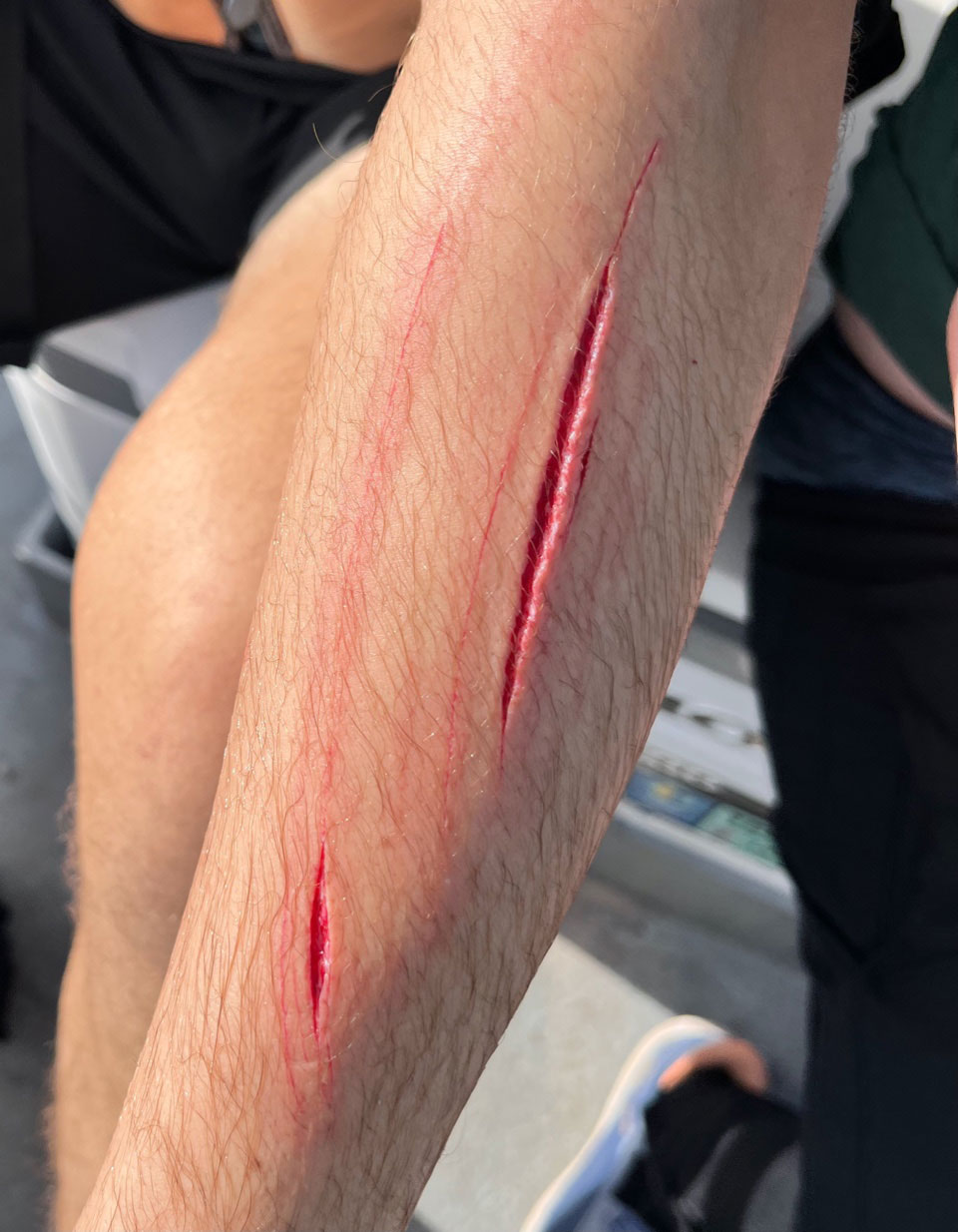
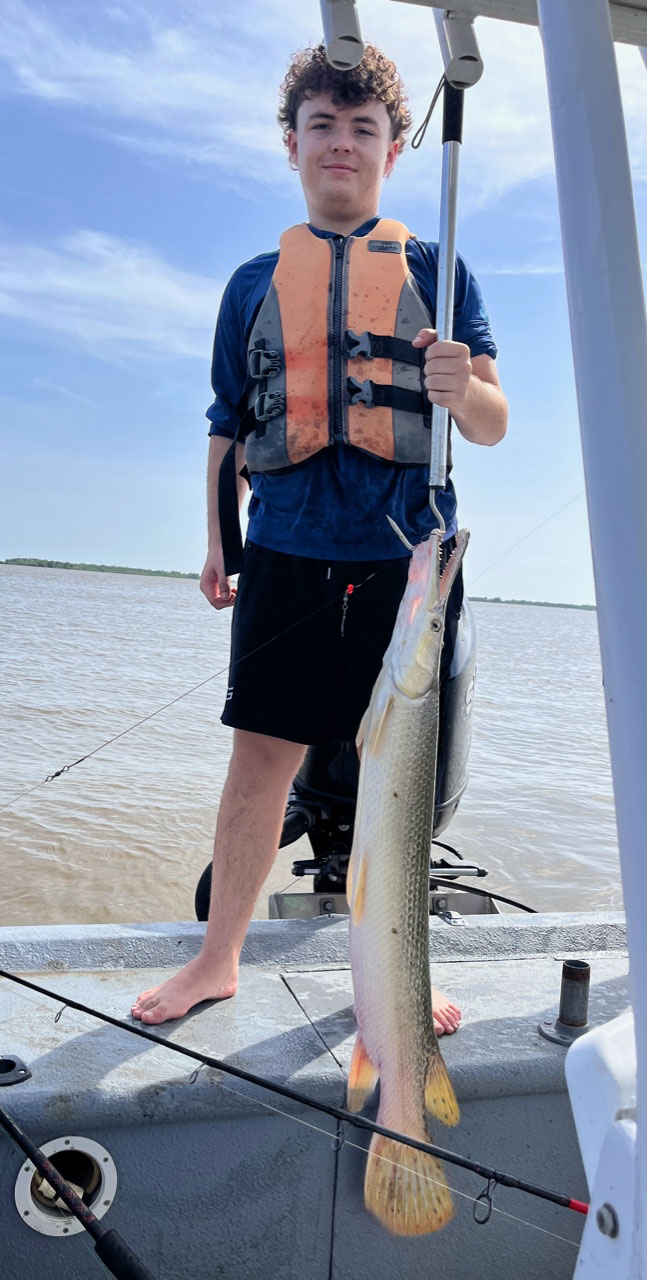
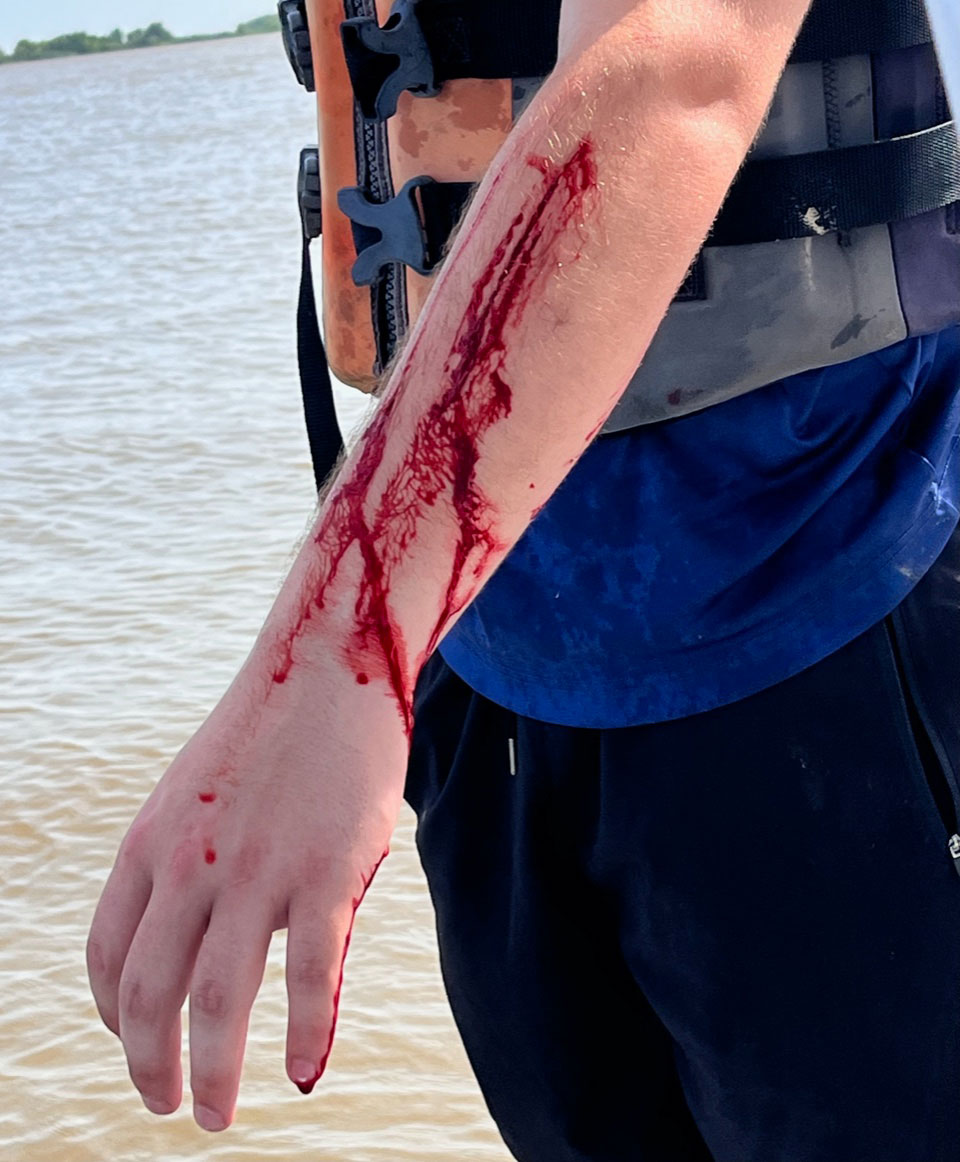
It started like a typical afternoon of fishing. I was with three teenagers down at the Atchafalaya Delta WMA. Sixteen-year-old Brody Martin of Schriever caught a 20-pound alligator gar. He securely gaffed the fish and posed for a picture. Suddenly, the gar violently shook off the gaff. Before any of us could move, the gar slashed open Brody’s left forearm. Within seconds, his entire arm was covered in blood. Everyone remained calm, but it was very obvious the fishing trip was over.
After cleaning off most of the blood, it appeared his wounds would require stitches. We had a 40 minute boat ride back to Morgan City ahead of us. A trip to the emergency room resulted in eight stitches, but Brody recovered well and is fine today.
Do you have what you need?
The experience was an eye opener for me. We did not have the appropriate supplies onboard to give him the immediate treatment necessary. Fortunately, we were able to stop the bleeding quickly, but what if the wounds had been deeper or had severed an artery? What could we have done then?
Expert advice
I am very safety conscious but obviously was not well enough prepared for a serious emergency in the field. I asked avid hunter and fisherman Dr. William Cefalu of Prevention Plus Clinic in Morgan City what should be in a boat’s medical kit in case of a serious emergency situation.
“Always be prepared for medical emergencies in remote locations,”Cefalu said. “Whether hunting or fishing, you may be hours away from the nearest medical facility.”
Stop the bleeding
Cefalu explained how to stop excessive blood loss from an injury.
“For serious injury, the first step is to control bleeding,” he said. “Apply firm, continuous direct pressure with a gauze or a clean cloth. Every boat should carry and have training on a commercial tourniquet. Apply above the wound, not over a joint, and tighten until the bleeding stops. Take note of the time it was applied and do not loosen it. Immediately seek medical attention at that time.”
What to carry with you
Cefalu said fish hooks, fins and gar teeth create another problem —contamination with deep-seated bacteria.
“I recommend cleaning the wound thoroughly with clean water or sterile saline,” he said. “Use chlorhexidine or iodine for surface cleaning. Always carry a medical kit with gloves and other bandages.
“Specifically for fisherman, a pair of wire cutters, capable of cutting heavy fishing hooks is ideal to have on board. If a hook is deeply embedded near the eye, face, joint or major blood vessel, do not attempt removal in the field. Stabilize and then seek medical attention.”
Beware Vibrio vulnificus
Vibrio vulnificus remains a serious threat in saltwater and brackish water. Louisiana averages seven cases and one death per year. This year, there have already been nine cases and five deaths in the state.
Dr. Cefalu said to remember prevention is key.
- Wear puncture-resistant gloves when handling catfish, stingrays, or other fish with spines.
- Avoid exposing open cuts or fresh wounds to warm saltwater or brackish water.
- Clean all wounds immediately after fishing.
- If you’re high risk (especially liver disease or diabetes), be extra cautious and seek care early for any suspicious wound.
If a fish spine punctures your skin, wash it well and soak it in hot water. If it’s a catfish or similar fish, watch it closely. If redness spreads quickly, severe pain develops, blisters appear, or you have fever — especially if you have diabetes or liver disease — go to the emergency department immediately. Along the Gulf Coast, these can be the signs of a serious Vibrio infection that needs urgent treatment.
By heeding this advice, we will all be better prepared for the unexpected and have a better chance of reducing the seriousness of an injury.