St. Martinville park preserves rich Louisiana history
Most Louisiana people have heard of the epic poem, Evangeline, A Tale of Acadie, by Henry Wadsworth Longfellow, often shortened to just Evangeline.
Longfellow published his poem in 1847. It depicts a fictional love story set during the true expulsion of the Acadians from Canada by the British in the mid-18th century. Many French-speaking people resettled in southern Louisiana. Their descendants became the Cajuns of today.
The poem tells of a young Acadian girl named Evangeline Bellefontaine who gets separated from her fiancé, Gabriel Lajeunesse, during the expulsion. She spends decades searching for her beloved without success. As an old woman, Evangeline finally finds a sick Gabriel during an epidemic and he dies in her arms. The word “Evangeline” comes from the Latin word evangelium, meaning “gospel,” itself derived from Greek words meaning “good news.”
Longfellow possibly used two real lovers as his inspiration, Emmeline LaBiche and Louis Arceneaux. According to tradition, Emmeline and Louis finally reunited at the Evangeline Oak in St. Martinville. Today, people can visit the Longfellow-Evangeline State Historic Site, located at 1200 N. Main Street in St. Martinville.
“At the Longfellow-Evangeline SHS, we preserve, protect and present the history of the Creole, Acadian and enslaved settlers who made Louisiana such a rich cultural treasure,” said Natalie Ned, the park manager. “The site brings to life stories of Creole, Acadian and early American settlers through immersive experiences in authentic 19th-century structures, costumed interpreters and engaging demonstrations.”
Louisiana’s first state park
In the early 1800s, Pierre Olivier Duclozel de Vezin, a wealthy Creole, acquired the property for a plantation and built the Maison Olivier mansion. In 1934, the property became the first park in the new Louisiana State Parks system. In 1974, Maison Olivier became a designated National Historic Landmark.
“The circa 1815 plantation house is the central feature of the park,” Ned said. “Pierre’s son Charles made improvements to the home in the 1840s. The structure is an excellent example of a raised Creole cottage, a simple and distinctive architectural form that shows a mixture of Creole, Caribbean and French influences. The Civilian Conservation Corps provided vital workforce and funding during the Great Depression, enabling the restoration of historic structures and landscaping that preserved the Acadian-Creole heritage.”
The park features many other historical attractions. People can tour a Creole sugar plantation and see an Acadian cabin and farmstead complete with crops, farm animals and historic tools. Of course, visitors learn more about Longfellow’s historic poem and the lovers who inspired it.

“People can learn the story behind Henry Wadsworth Longfellow’s epic poem Evangeline and how it ties into Louisiana history for a deeper understanding of Louisiana’s colonial past,” Ned said. “This site’s transformation into Louisiana’s first state park marked a milestone in historic preservation and public cultural access, setting a precedent for many sites that followed.”
Programs and events
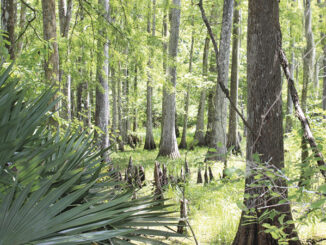
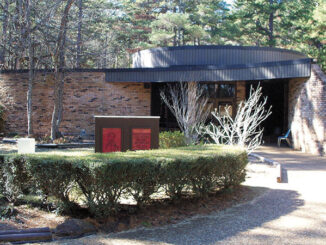
The park periodically stages living history programs and seasonal events. These could include campfire cooking, blacksmith demonstrations and more activities. Stroll along the walking trails to explore the scenic grounds on the banks of historic Bayou Teche. Be sure to visit the museum to see more exhibits.
“The site is ideal for school field trips, heritage groups and anyone interested in Louisiana’s diverse history,” Ned said. “We work hard to preserve and interpret the stories of Creole, Acadian, Native American and African-descended communities who shaped this area. With beautiful landscapes, rich storytelling and authentic experiences, Longfellow-Evangeline SHS is a meaningful destination for all ages.”
The park stays open seven days a week, except for major holidays. People can find food and lodging in St. Martinville. For more information, call 337-394-3754 or 888-677-2900. Online, see www.lastateparks.com/historic-sites/longfellow-evangeline-state-historic-site.