The first hints of drier, slightly cooler fall air gets most South Louisiana sportsmen reaching for the shotguns, the bows and the climbing stands.
A chance to kill a limit of doves and hit the marshes for blue-winged teal, as well as buy Halloween candy at the grocery store, makes many forget about the baitcasters, spinnerbaits and plastic worms.
However, the fishing diehards get just as excited at the first hints of fall as their wing-shooting and arrow-slinging brethren, especially the ones who patrol the Mississippi River from Buras to its mouth.
The river nicknamed “Big Muddy” is generally anything but muddy by the time Labor Day marks the calendar. Summer’s usual lack of large rain-making fronts in the Midwest slows water velocities and reduces the sediment load.
As river stages in New Orleans drop below 7 feet, the Mississippi turns a marbled green and brown that eventually gives way to a deep emerald color stretching from bank to bank as the gauge goes below 4 feet.
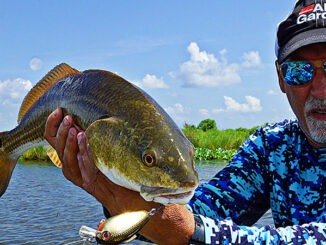
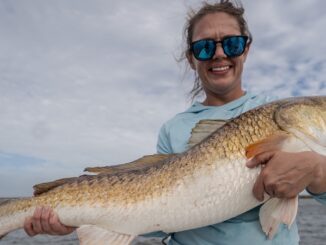
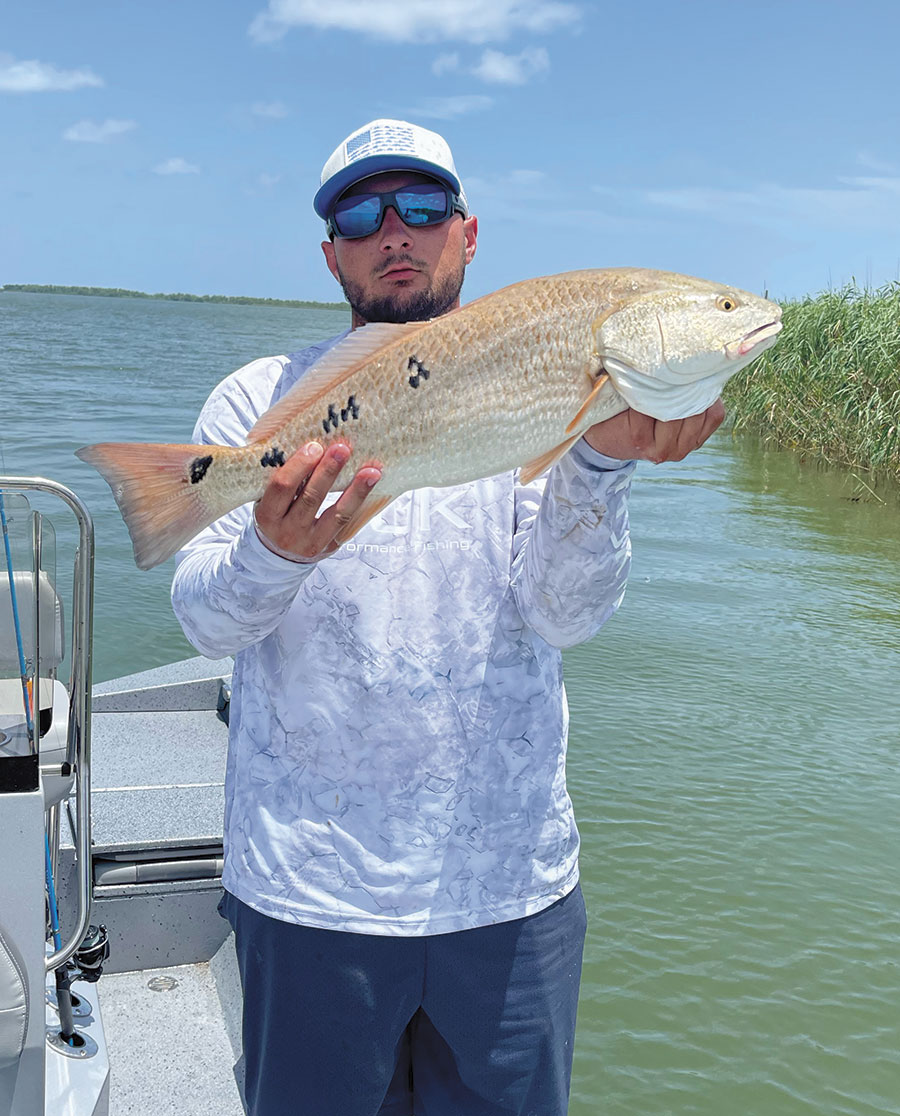
It’s remarkable the Buras-Venice area almost always offers something to catch, no matter what the river looks like. Redfish, especially, are often unfazed by dirty water.
But when fall arrives, “something” to catch turns into catching just about everything, and usually right in the main channel of the Mississippi.
What to use
Tie on a spinnerbait or a Rat-L-Trap, maybe bring a couple pounds of bait shrimp and a few dozen jig heads and there’s a good chance to catch speckled trout, redfish, black drum, sheepshead, white bass, flounder, largemouth bass, jack crevalle and three species of freshwater catfish all in the same 100 yard stretch of shoreline.
Quickly rip a soft-plastic or a squarebill crankbait across the top of sunken rocks along the river’s bank and drains and it’s likely a white bass or redfish will try to take the rod out of your hand as often as you want to cast.
If flipping a soft plastic into heavy cover is more your speed, the Roseau cane-lined banks of the passes near and south of Venice offer seemingly endless opportunities for some close combat bass and redfish action. A falling tide on an already low river pulls the bass and the bait out of the pockets and ponds behind the canes and forces them to feed in accessible areas. A good day flipping canes downriver can rank as arguably the best bass fishing in the world.
Of course, there are other places along the Gulf Coast where largemouth bass, speckled trout and redfish all patrol the same waters and fall prey to the same baits. But none of them are Venice because none of those places have the Mississippi River.
Grass beds
Catching fish cast after cast as massive container ships, sometimes cruise ships, tower over 20-foot bass boats is fascinating and intimidating all at once. Those ships sucking and pushing water across the shoreline rubble can trigger a feeding frenzy but will certainly push the unaware fisherman and his vessel atop those same fish-attracting limestone chunks.
The scale of the ocean-going vessels is only surpassed by the scale of the productivity of the ebbs and flows of the Mississippi River. Spring’s high, muddy river waters force the Mississippi out of its banks, sending a sheet flow of sediment and nutrients across marshes and mudflats. That flooding keeps aquatic vegetation alive and encourages more grass to grow, creating a nursery ground for crabs, shrimp and finfish unmatched by anywhere else in North America.
It’s impossible to even guess how many crabs, white shrimp, copepods, minnows, shad, crawfish, bluegill and other sunfish and numerous other forage species thrive in those grass beds and how many young largemouth bass, flounder, redfish and speckled trout find refuge in those grasses as well.
When the river falls out in the late summer, those billions of crustaceans and prey fish come out of the grass and into the passes and the river. Combine that with the annual fall mullet migration and an enormous shad population and the bass, redfish, drum, white bass, flounder and other predators never run out of things to eat.
High water returns
Unfortunately, the river can sometimes fall too much and too fast, as was the case in 2023 when a prolonged drought and extreme temperatures allowed saltwater to penetrate almost all the way to New Orleans. That salt content took its toll on the freshwater fish, especially largemouth bass, though redfish, speckled trout and, especially, black drum catches remained very strong.
High water returned to the river this year, with muddy water pushing past Venice well into early July. August and early September reports from the brave few who took on the blazing summer sun indicate the bass have made a comeback. And, as usual, redfish have been easy to find along the downriver passes.
Barring a late-season hurricane pushing saltwater surge, all signs point to another incredible fall near the Mississippi’s mouth, one that should again remind all Louisiana anglers of the remarkable fortune of having that not-always-muddy river in their backyards.