The Louisiana Wildlife and Fisheries Commission heard proposed changes at their September meeting
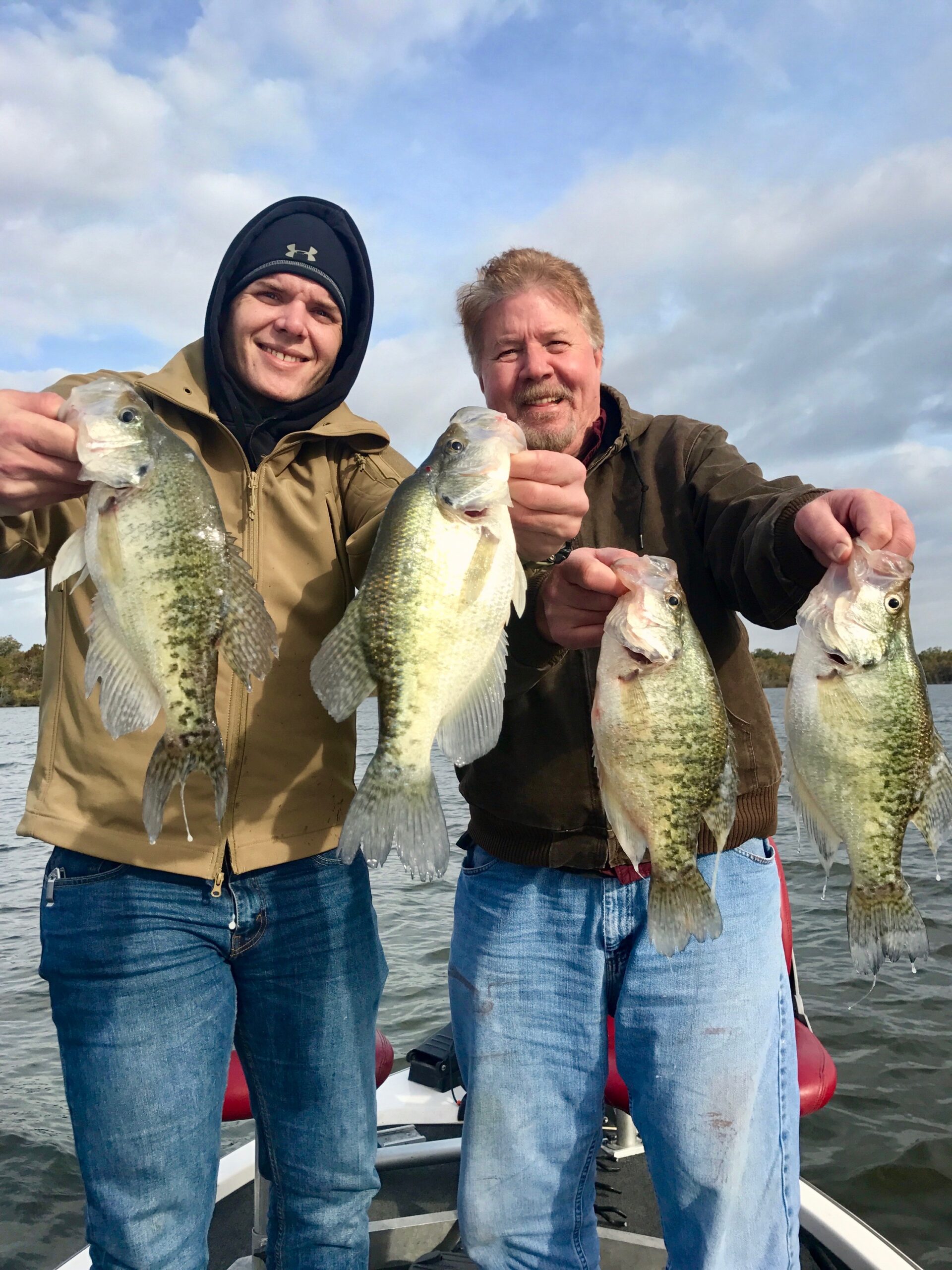
A 10-inch, 25-fish limit for crappie and a 14-inch, eight-fish limit for bass on the Saline-Larto Complex are under consideration by the Louisiana Wildlife and Fisheries Commission.
Shelby Richard, an inland fisheries biologist with the Louisiana Department of Wildlife and Fisheries (LDWF), presented the proposed limits at the commission’s regular meeting on Sept. 4.
Also in attendance was Louisiana Rep. Mike Johnson, who urged commissioners to adopt the new restrictions.
“Our lake is not what it used to be,” Johnson said. “It’s terrible. People are not coming here like they used to.”
Johnson said he represented the Rapides Parish Police Jury, as well as officials from Catahoula, LaSalle, Avoyelles and Rapides parishes, calling the lakes a “gift from God.”
“I come to you and make this request based upon the people who have lived on this lake their whole life,” Johnson said. “They have fished this lake their whole life.”
According to Johnson, too many undersized white perch and bass were being taken out of the lake.
“My people are very adamant about the reduction of small fish being taken,” he said. “They believe it is hurting the lake significantly, for them, their children and their grandchildren.”
Meaningful changes
Richard explained that meaningful changes to bass harvest rates would require drastic reductions. A two-bass daily limit, for example, would increase angler catch rates by 10 percent.
The proposed 14-inch minimum size for largemouth bass would reduce harvest, increase intraspecific competition, and potentially decrease growth rates, possibly stunting the population, but could raise angler total catch by 32 percent.
For crappie, Richard said the proposed 25-fish daily limit would increase total catch by only 1.9 percent and have no significant impact. A 10-inch minimum length would reduce harvest but, like with bass, increase competition and risk stunting growth.
“The Saline-Larto Complex is seeing the tail end of a boom-and-bust crappie fishery, but our habitat is still lacking,” Richard said. “We are asking Mother Nature for stable water to help re-establish beneficial aquatic vegetation and continue habitat enhancement projects.”
LDWF has already deployed 283 Christmas trees, three pallet reefs at 24 locations, and felled nine trees along the shoreline. Biologists plan to sample crappie and bass again this fall.
New hunting seasons
Commissioners established hunting seasons for the new Bogue Chitto and Flatwoods Savanna Wildlife Management Areas under a declaration of emergency.
At the 1,643-acre Bogue Chitto WMA, deer season will follow the same dates as other WMAs but will be archery-only, either sex. Small game and waterfowl seasons will also align with statewide regulations. Beagles will be allowed for rabbit hunting, and dogs will be allowed for squirrel hunting Feb. 1–28. Nighttime raccoon hunting will also be permitted Feb. 1–28. Internal combustion engines are prohibited, but trolling motors will be allowed.
At the 427-acre Flatwoods Savanna WMA, deer season will likewise follow statewide dates but remain archery-only, either sex. Small game and waterfowl will also follow statewide regulations. Beagles will be allowed for rabbit hunting, and dogs may be used for squirrel hunting from the first Saturday in January through the last day of February.