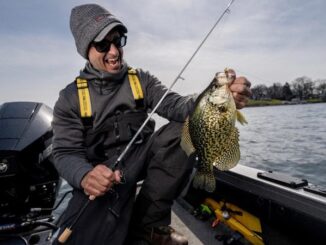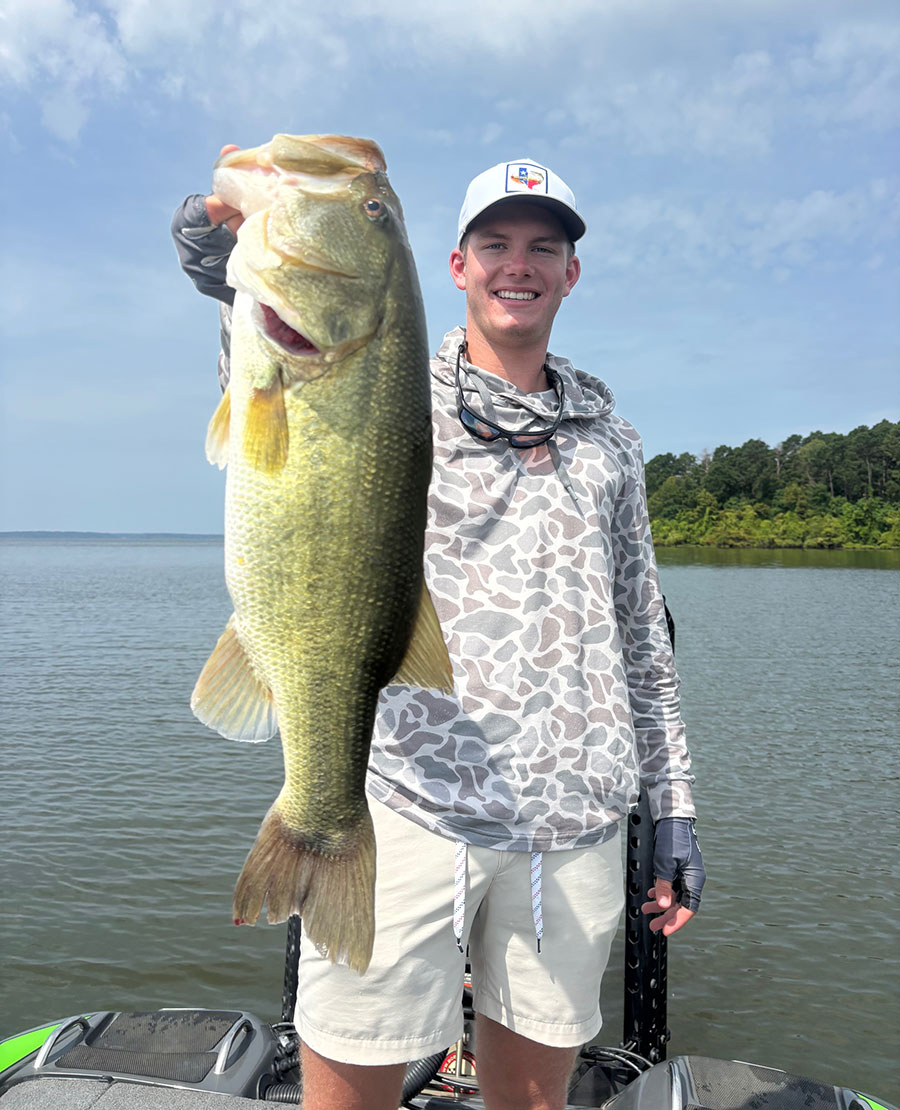
Our 10th annual Living the Dream Youth Bass Camp ended on the first day of August. I look forward to those five days so much because they are refreshing and enjoyable. Plus, it happens each year before one of the most challenging bass fishing months of the year at Toledo Bend. While I’m trying to keep up with the bass during changing water conditions in September, I’ll look back to the good memories we made teaching, demonstrating and fishing with 14 young bass anglers between the ages of 12 and 17.
Yeah, September bassin’ can try the patience of the most experienced of bassers because of the inevitable turnover that happens this time of year.
There’s good news and bad news about the fall turnover at Toledo Bend. We all know most of the lake is going to turn over at some point in September, depending on what the weather does, which isn’t favorable. But Toledo Bend is so big it doesn’t turn over all at once, which is good. Of course, after an area turns over, fishing gets really tough for a couple weeks as the thermocline dissipates and the oxygen in the water kind of gets messed up during that time. And from what we’ve experienced over the years many fish go shallow because the oxygen level usually is a little better.
The thermocline, which has been at about 25 feet this summer, and turnover go hand in hand. Cold water in the lake rises to the surface and warm water goes to the bottom as everything flips. Generally, there is less and less turnover in the lake the farther north you travel.
Probe the shallow areas
Fish movement to shallow areas hinges on the lake level and how much cover is in the water. It’s still unseasonably high at 170.4 as of the first week of August, even after a 6- to 8-inch drop the past 1 ½ weeks.
Taking all that into consideration, we’ve caught a surprising number of fish up shallow this summer. I would say the first half of September might be the most opportune time to haul in some bass here, based on my experiences as a fishing guide on the lake for five years, but at some point turnover in the lake eventually makes it a big challenge to get bit.
How to spot water affected by turnover? Generally, if you see jellyfish-looking “dirty” bubbles on the water, definitely get out of there and find water anywhere where that isn’t going on. Probe the shallower depths with a weightless Gary Yamamoto Custom Baits Senko with a tailspinner or throw a Carolina-rigged soft plastic (always a player) or a drop-shotted soft plastic. Red bug and plum apple colors are late summer favorites, but I’ve been successful this past week on tequila sunrise soft plastics with most of the fish coming out of 12- to 20-foot depths.
Also try topwaters such as Yellow Magics and the old, reliable Chug Bugs, which have paid off this summer for many bass anglers in 8-foot depths or less.
Where to find crappie
Crappie fishermen should target natural deadfalls and other wood structure, or planted brushpiles, in 24-foot depths and probably expect the fish to be suspended over them 16-feet deep. They’re often up in the water column because the thermocline affects them, too.
It’s hard to beat a small minnow, a deadsticked minnow at that, but for those who prefer using artificials, it’s hard to beat the color “monkey milk.” Bobby Garland Crappie Baits, Slab Slayer Jigs and Natural Forage in that or a similar color account for a majority of the catches in September.
Call Living the Dream Guide Service at (318) 256-8991 to make a dream fishing trip come true on Toledo Bend.