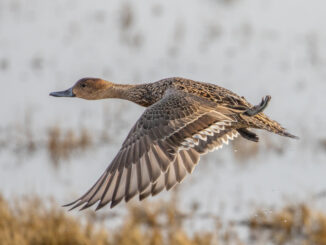
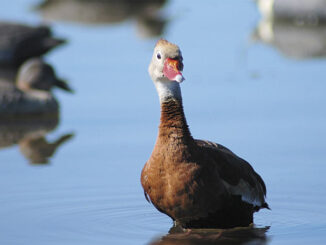
If there was one word coming from Louisiana duck hunters after January’s Wildlife and Fisheries Commission meeting, it was “finally!”
After a handful of years pleading with the U.S. Fish and Wildlife Service, it appears Louisiana took an important step in getting a first-ever special season on black-bellied whistling ducks.
Tuesday’s commission meeting included a vote for this special season to run Oct. 3-11.
The vote came during the usual January offering of the proposed dates, bag limits and other regulations for the upcoming hunting seasons made by the Louisiana Department of Wildlife and Fisheries’ Wildlife Division.
It was an important second step in the process of creating a new season. The first step was asking the U.S. Fish and Wildlife Service for a season to take whistling ducks, a species with an expanding population across south Louisiana. The special season dates need to be approved by the USFWS, which appears to be a formality at this juncture.
Other news for duck hunters is a second straight nine-day special teal season – Sept. 19-27.
For West Waterfowl Zone hunters their season will come in two segments, Nov. 14-Dec. 6 and Dec. 19-Jan. 24, a move which means the next season will close days ahead of the federally mandated Jan. 31 close, a date built into the last two seasons. The youth-only and veterans-only special weekend will run Nov. 7-8.
East Waterfowl Zone hunters will have Nov. 21-Dec. 6 and Dec. 19-Jan. 31 segments with the youth-only and veterans-only special hunts split between Nov. 14 and Feb. 6.
Other hunting seasons
Except for calendar adjustments, the proposed goose season will remain the same, except that commission member Jonathan Walker asked the Wildlife staff to consider changing the dates for the West Zone goose season.
The proposed goose season there runs concurrently with the duck season, and Walker asked to move the goose season later – to close in February – because West Zone hunters have found the highly-prized specklebelly geese are arriving later and later in the hunting season. Later days could mean more opportunity to take specklebellies.
Otherwise, the presentation of the proposed 2026-2027 dates offered only calendar adjustments from the current seasons to the proposed resident-game seasons on deer, squirrel, rabbit and quail, and other migratory species like geese, rails, gallinules, mourning doves and snipe. The customary Dec. 18-Jan. 31 woodcock season has been the same for years.
It’s been at least four years that Louisiana has asked federal waterfowl managers for the special whistling ducks season. The species is growing in numbers and increasing its range in Louisiana. During these years, hunters were prohibited from taking them during the September teal season, then faced this bird moving south by the time the bulk of the main 60-day duck season arrived.
The state’s contention, backed by a plea from Gov. Jeff Landry, is that hunters should be able to take whistling ducks when they are in the state.
Two amendments
After the presentation by Jeffrey Duguay, only two amendments were offered in the proposal package.
Commission member Jonathan Walker sought to move the ban on using internal combustion engines from a 2 p.m. to a noon deadline on wildlife management areas, except Pass a Loutre and Atchafalaya Delta WMAs.
Commissioner Andy Brister offered the second amendment, which seeks to improve the age structure of bucks in Deer Area 1. Brister’s plan is a one-buck, one either-sex deer and four-antlerless deer limit to the hunting package, a change from a three-buck, three antlerless allowance.
Both amendments passed.
On-the-water fillets
Another major change came from the meeting when the commission passed a notice to alter on-the-water regulations on speckled trout and redfish fillets.
Current rules ban fishermen from having filleted fish while on the water in the state’s coastal area. The target is to allow enforcement of the daily and possession limits on speckled trout and redfish.
The current rule keeps camp owners from processing their catches at camps accessed by water.
If approved – and it could take effect in late May – the new regulations will allow fishermen to transport by water speckled trout fillets at a minimum size of 8 inches and a maximum of 13 inches with an allowance of eight fillets measuring more than 13 inches to accommodate the daily creel limit of two speckled trout measuring longer than 20 inches.
The minimum/maximum on redfish fillets will be 10 and 18 inches with no allowance of a fillet measuring longer than 18 inches (because there is no take allowed on redfish measuring longer than 27 inches).
Because the possession limit per angler is 30 (a two-day limit, 15 per day), each angler will be limited to an on-the-water possession of 60 speckled trout fillets and 16 redfish fillets.
A further requirement is “…filleted fish shall have sufficient skin remaining on the fillet to allow for identification of the species.” Fillets shall be segregated by species into plastic bags or plastic containers (marked with date caught, angler and angler’s license number) that are marked by species to allow for easy identification.
New electrofishing boat
The commission also heard a report about the Marine Fisheries Section’s use of a new electrofishing boat used to monitor coastal species. The upshot of biologist Chris Schieble’s report is the new equipment is producing much more vital data than the use of seines used for nearly 40 years.
The commission also voted Lake Providence outdoorsman Andy Brister to chair the seven-man group this year and approved Nathan Wall from Springfield to the vice-chairman’s post.