Alligators. Sharks. Hogs. Cats. Deer. Amberjack. Ducks.
Funny (not ha! ha! but peculiar) these animals were topics during the last month.
So, where do we start in this assembly of creatures inhabiting our land, sea and air?
Let’s go with gators. This is no simple task.
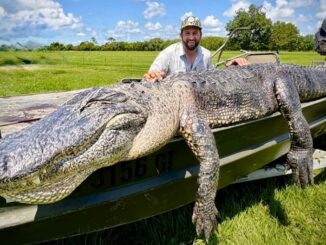
It’s certainly no great revelation that the American alligator has taken over our marshes and swamps, and the fact we are seeing more of them dead along our roadways is testimony of how over-reaching management can lead us down an unintended path.
There’s little doubt this reptile’s numbers were low some 70 years ago, and it was research conducted by dedicated biologists at our state’s Rockefeller Research Center that showed the way to what was, at one time, a valuable Louisiana resource, more so for alligator hides than for the meat.
Population rebound
Today, long after the animal rights folks made a big stink about using alligators for shoes, boots, handbags and wearing apparel — and sank that worldwide business in the process — about the only use for an alligator is the meat.
In turn, our state’s plan to restore this species here — and get on a path to remove it from the Endangered Species List (ESL) — was to impose severe penalties (state and federal) to anyone illegally taking a gator, then to gather eggs from wild nests and hatch the eggs in secure locations to ensure survivability of the offspring.
Next came alligator farms, which turned out to be the eggs’ incubation locations with the guarantee that a certain percentage of the hatchlings would be released into the wild after these young gators get to be 3-feet long. The released gators could be identified by a metal tag fitted between the claws in one foot.
So, for years, we went merrily along rejoicing about how our reliance of research, gator release, enforcement of regulations and habitat enhancement was working wonders with our alligator population.
The plan worked so well that the alligator was removed from the ESL and landowners or their agents could apply to Wildlife and Fisheries for tags to “harvest” gators from their swamps and marshes, but only after the agency’s staff surveyed the population to determine the number of tags to issue.
For the most part, it was a closely monitored program. The “harvesters,” which most of us called “hunters,” would have to document the tag number, the length and sex of each gator, then make sure the tag was affixed to the hide. Because the meat wasn’t processed at a “food location,” the meat went home with the hunters or was given away to friends.
Lottery hunts
Today, after decades of no market for the hides and a limited market for the meat, there is little economic impetus for landowners to remove gators — though some still do — and we continue to remove then hatch eggs and continue to release a percentage into the wild.
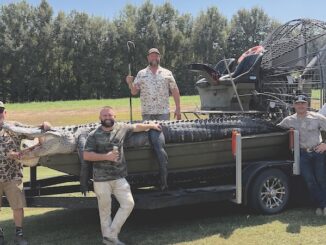
Sure, we have years of lotteries allowing the public to take up to three gators if they’re drawn, and just this year a plan is in place for a first-ever recreational alligator season — yes, 5,000 drawn in another lottery.
There will be enough regulations in this latest push to challenge a Philadelphia lawyer to understand, and the wonder of it will be to determine if a recreational season will be enough to put a dent into an ever-growing alligator population.
Guess the point here goes beyond knowing we have too many alligators, and with populations beyond manageable levels — yep, we are up to our you-know-what in alligators — what might be the next step?
How about inviting a business to Louisiana to tan alligator hides and, in the process, thumb our collective noses at those who so vehemently objected to alligator shoes, belts, boots and handbags among other things, and bring a market back to one of Louisiana’s biggest success stories — the resurrection of the American alligator.
Gator encounters
If we don’t get our gator population under control, we’re going to wind up like Florida, a place that reports a handful of gator attacks on people and animals annually. (And I can’t tell you how many duck hunters have lost their valuable retrievers to gators over the years!)
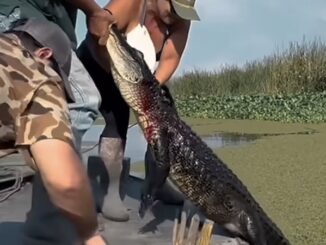
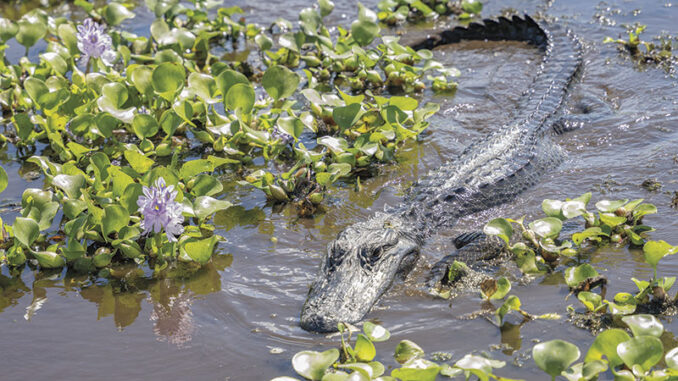
Several friends have reported becoming increasingly aware of gators seemingly stalking them on fishing and hunting trips in places like the Atchafalaya and Verret basins, Lac Des Allemands and the marshes in Vermilion and Cameron parishes.
A long-time friend and avid outdoorsman confided seeing dozens of gators on a recent frogging trip and talked about how little other animals he’s seeing: “Thing was there were no small gators which leads me to believe the larger gators are so hungry they’re eating the smaller ones.”
Yes, that happens. I have seen it, and here’s hoping this new recreational season will have the desired effect.
Sharks, hogs, cats, deer, amberjack and ducks will come in due time.