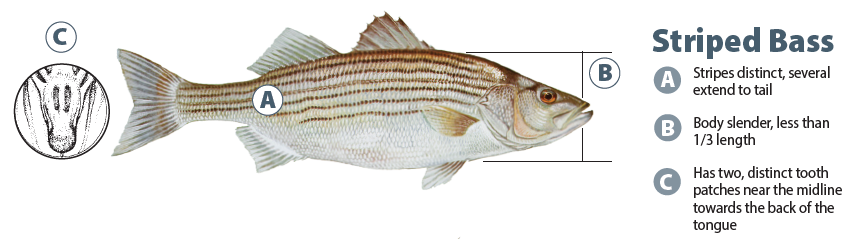
 As anglers hit the water this holiday season, the Louisiana Department of Wildlife and Fisheries (LDWF) would like to solicit assistance from our Pontchartrain and Pearl River basin fishermen. If you catch a striped bass with an orange tag, please report your catch. LDWF, in partnership with the U.S. Fish and Wildlife Service, is working to restore the historic Gulf Strain Striped Bass population in the Pearl River and Lake Pontchartrain basins.
Be on the lookout for striped bass with an orange tag near the rear of the dorsal fin. These fish also have internal acoustic transmitters that provide valuable tracking data.
If you catch one:
- Please photograph and release the fish if possible; it’s not required, but greatly appreciated.
- Call the number on the tag or contact Jonathan Winslow at 985-847-2422 to report the location, time, and any other details of the catch.
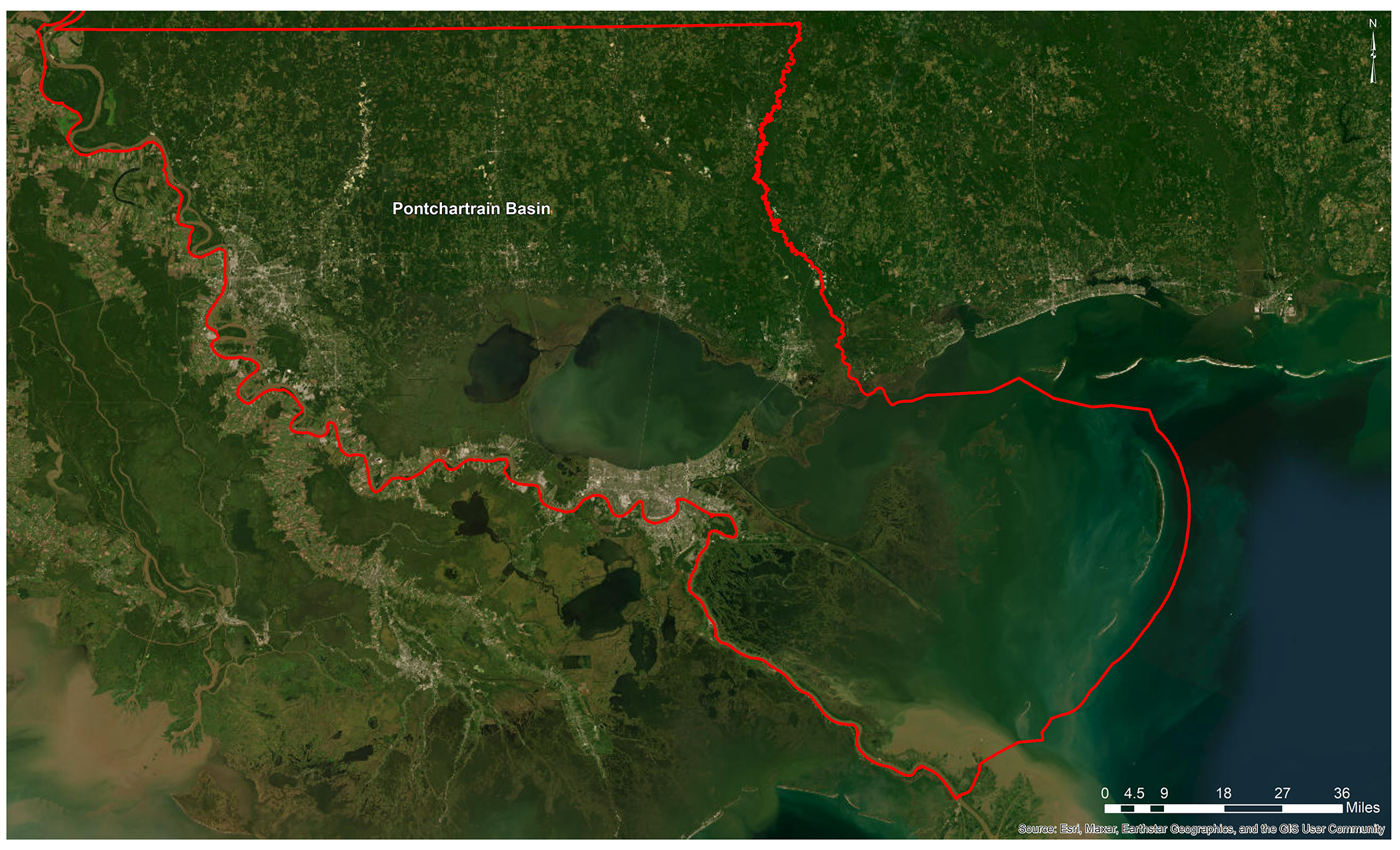
Your participation helps us learn more about these important fish and supports long-term restoration efforts.
Stocking efforts
LDWF, in coordination with the U.S. Fish and Wildlife Service, Mississippi Department of Wildlife, Fisheries and Parks, and the Gulf Striped Bass Working Group, released 5,500 Gulf Strain Striped Bass into the Pearl River on June 4, 2026, as part of a larger goal to restore a robust population of Gulf Strain Striped Bass capable of supporting a recreational fishery.
Regularly target striped bass?
LDWF is looking for participants to join LDWF’s Striped Bass Collaborative Anglers Project (SBCAP) to help biologists better understand the striped bass population in the Lake Pontchartrain and Pearl River basins. Participant catches and genetic information can be viewed on the program’s SBCAP webpage.
LDWF needs tissue samples from the striped bass you catch. Data can be collected and submitted from harvested or released catches in two ways:
- Through a fin clip kit (ordered from the LDWF project website)
- Or by having LDWF collect your cleaned carcass (request a pickup at the LDWF project website)
Data will be analyzed by LDWF Biologists for age determination (otoliths) and genetic origin (Gulf Strain, Atlantic Strain, Natural/Stocked).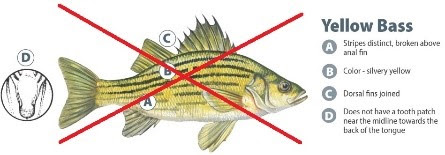
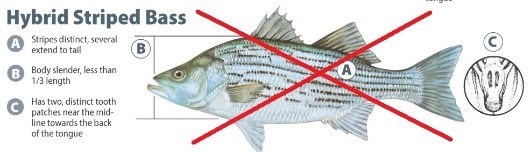
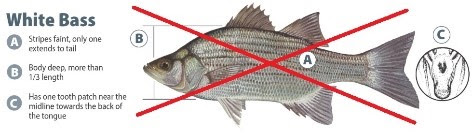 For more information on the project, a striped bass identification guide, to request a fin clip kit, or report a sample for collection: visit the LDWF SBCAP webpage or call Jonathan Winslow at 985-847-2422.