America celebrated its 250th birthday this summer with tributes to the greatest country in the world ranging from super-sized firework displays and concerts to logos and simple reflections in schools and churches across the country recognizing the significance of this great experiment in democracy.
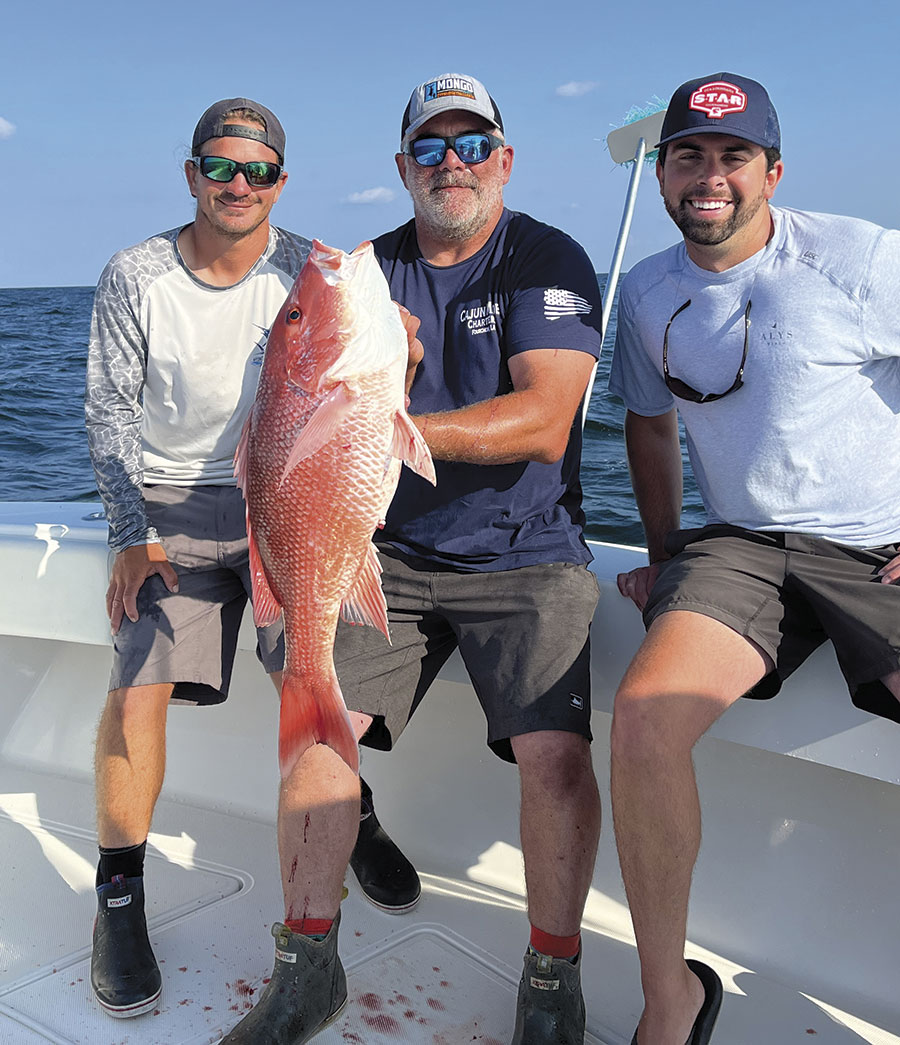
In Louisiana, anglers got the chance to add a little extra red to their white and blue when the Department of Wildlife and Fisheries expanded the daily red snapper limit from four to five fish for the Fourth of July weekend.
A sentence like that would have garnered little more than laughter eight or nine years ago. It would have been too far fetched to think Louisianans would be in the midst of red snapper season by July 4, let alone being able to keep five fish in any given day.
The Gulf States
This year seems eons past the 2017 federally-set recreational snapper season that was supposed to last just three days despite irrefutable evidence that red snapper abounded on just about every suitable structure in the Gulf.
Thankfully, the fisheries managers from all five Gulf States and a host of congressmen and NOAA officials at the time developed a solution after recognizing the absurdity of the situation and the growing anger and frustration.
The five Gulf States, after agreeing upon how the total overall recreational quota would be divided, were allowed to develop data collection systems and submit special permits to expand fishing opportunity and create much more consistent red snapper seasons using those data systems.
These special permits, officially called Exempted Fishing Permits (EFPs), are expressly allowed by federal fisheries law to allow innovative management techniques and approaches to be used to improve fisheries management.
There is no doubt at all that for nearly every Gulf snapper angler, the EFPs accomplished that task. It has become matter of fact across the Gulf that snapper season will begin sometime in April or May and last, basically, through the summer.
Red snapper seasons went from being the most contentious issue across social media and at every state and Gulf region fisheries meeting to being one that barely makes a ripple when seasons and creel limits are announced each year.
Unfortunately, the same cannot be said for those trying to manage fish and fishermen in the four South Atlantic states of North and South Carolina, Georgia and Florida.
The South Atlantic states
Seeing the success in the Gulf, especially Florida’s fisheries managers tasked with fish and expectations on both coasts and facing another year of one, maybe two-day snapper seasons, the South Atlantic Fisheries Management Council approved, and the National Marine Fisheries Service issued, EFPs for the 2026 red snapper season in April.
Boats from Jacksonville to Jupiter were being iced down and fueled up May 21 in anticipation of Florida’s 39-day South Atlantic season set to start the next day. But then a federal judge in Washington D.C. sided with environmental groups and commercial fishermen who have long advocated for limiting public access to public fisheries and stopped the seasons in all four states before the first lines got wet.
The EFPs would have allowed the four states to test different data collection methods on a longer recreational season to, hopefully, narrow data gaps caused by 24–48-hour seasons.
Simplifying a very complex issue, the current federal data collection system, called the Marine Recreational Information Program, used in the South Atlantic, was never designed to collect information on one- or two-day seasons. That’s why four of the five Gulf States pushed so hard to get rid of it. Texas never used it in the first place.
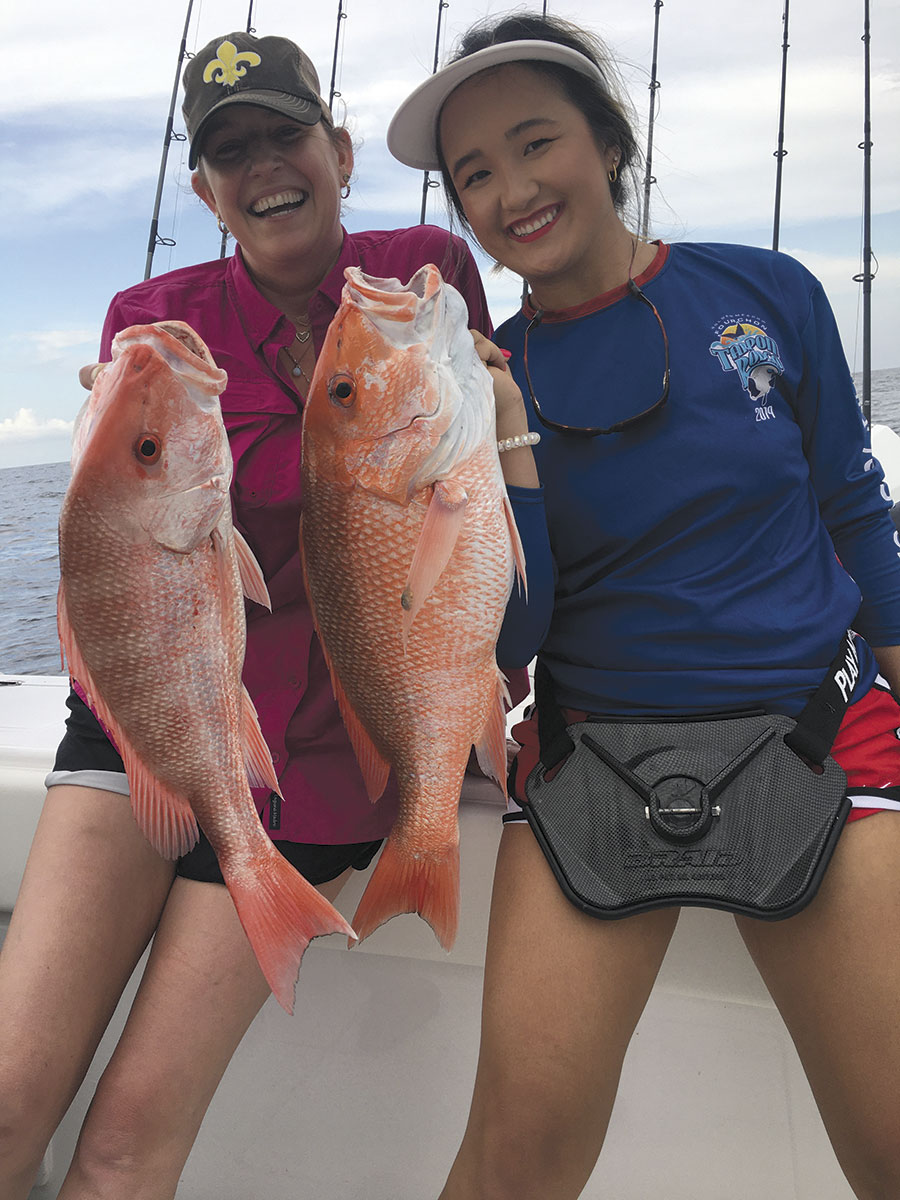
Plugging short episodes of fishing into a system designed to measure effort over a two-month sampling period, known as “waves,” has revealed some obvious flaws in the MRIP system. It’s not hard to grasp that enormous effort crammed into a two-day season plugged into a system designed to monitor long-term trends is going to skew results.
A better data system
Thankfully, federal fisheries managers are working with states and anglers on a new program called the “Recreational Angler Partnership Improvement Directive” or RAPID, which aims to produce a better data system.
Unfortunately, RAPID won’t be finished quickly enough to repair this season. Florida’s Gulf side snapper anglers get to fish 140 days. Atlantic side anglers may not even get a pitiful one-day chance.
Of course, the arguments made by the environmental groups and the commercial fishermen are the same tired ones used for a decade in the Gulf… ‘recreational fishermen are unaccountable,’ and ‘this will create a free for all’ and ‘they just want to get rid of all limits and have no science.’
All of it is nonsense and hyperbole. And all disproven by how the Gulf States and the recreational fishermen have responded by participating and paying for new data collection systems, which range in methodology from trying to count every trip and fish caught in Mississippi and Alabama, to Louisiana’s LA Creel and Recreational Offshore Landing Permit programs that dramatically reduce the errors in the MRIP program they replaced.
Louisiana’s red snapper season
Louisiana will have another 100-plus day red snapper season this year and there isn’t any evidence the fishery is being mismanaged or that the data collected from anglers is being misused in any way. And, the “unaccountable” argument falls flat considering any catch limit overages one season are paid back by reducing the following season’s quota.
Celebrating Independence Day in any year should make Americans proud they live in a country where access to well-managed fish and game are a privilege afforded to all its citizens. While our elected leaders don’t always hit the mark on resource management, in the case of fixing the fatally-flawed Gulf red snapper seasons eight years ago, they got it right. Hopefully the South Atlantic gets it right soon as well.