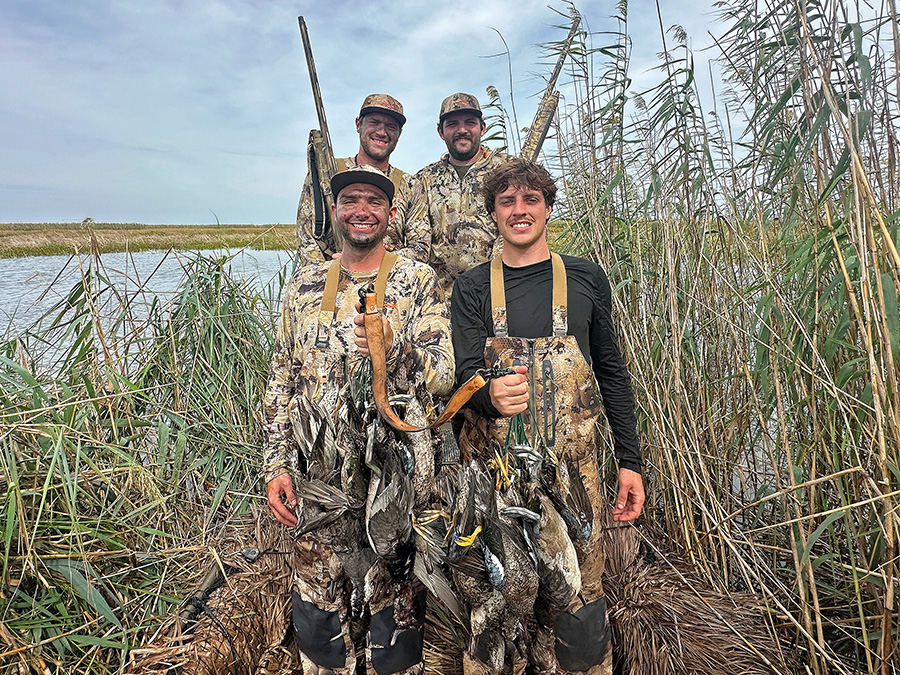
The phrase “being on the X’ has become quite popular the last few years in the waterfowl hunting community. It can have a couple of different meanings. One being a form of advice. In that to be successful, you have to be on the X. Another is when scouting, preparation and a little luck all come into play and pay off in a successful hunt.
With good leases commanding top dollar and public lands being a shooting gallery, what can hunters do to improve their odds? Why not create their own “X” through habitat management, planting and water control to maximize the land they hunt.
I’ve taken on a couple of such projects over the years and have realized the benefits. All it requires is time, some modest financial investment and sweat equity.
For starters, where you hunt plays the biggest part in the outcome. If you have visions of creating a duck mecca with mallards cupping their wings above the decoys while hunting in the rolling hills and piney woods regions of the state, best to clear those out of your brain now. If your area is along the Mississippi or Atchafalaya deltas, you stand a much better chance. It all comes down to doing the most with what you have.
Getting started
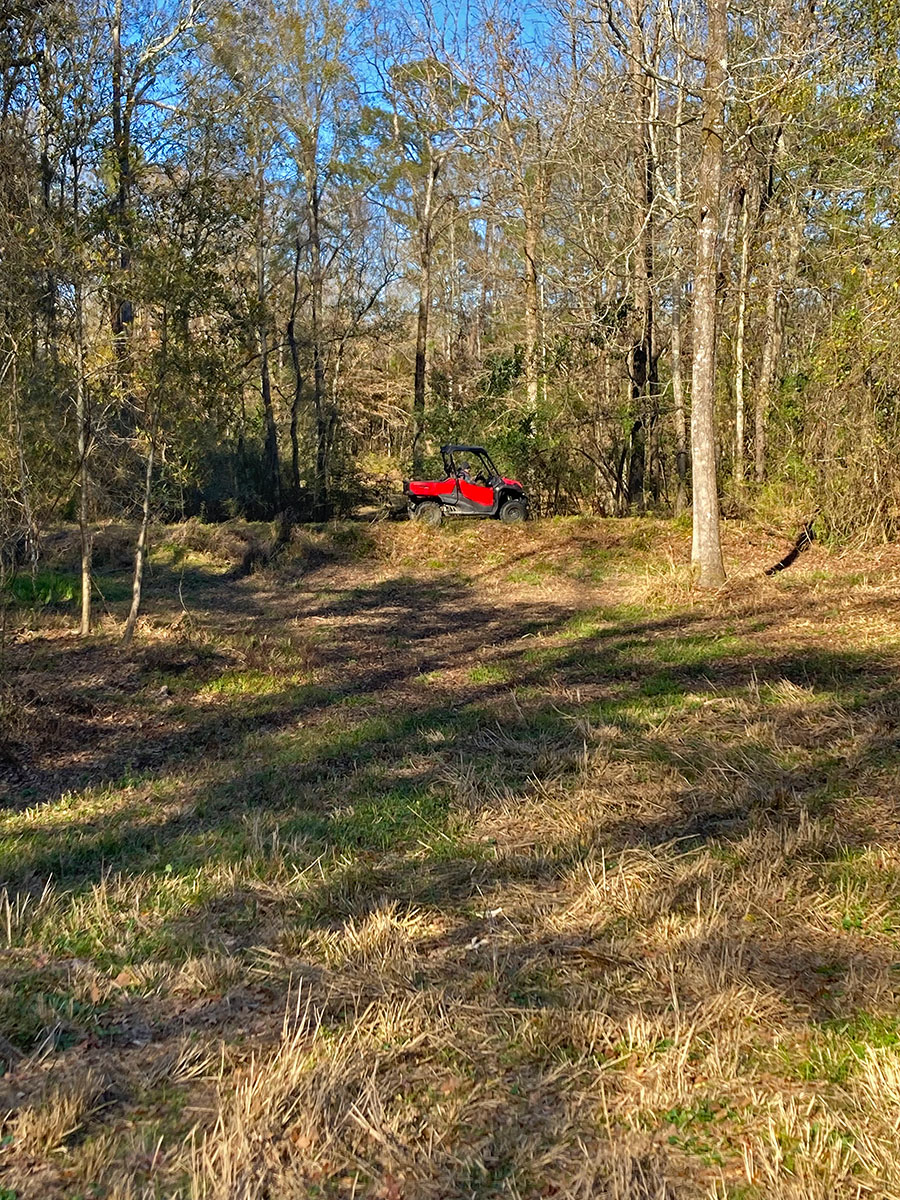
My parents retired to northern Washington Parish and bought about 20 acres out in the country consisting of those rolling hills and pine trees. They had planned to put a pond at the back of the property, but the soil test indicated the ground was too sandy to hold water, so they moved the pond site one ridge over.
When the pond was finished, we had the contractor core trench then build a 3-foot-high levee at the original pond site, which we call “the duck slough.” It’s surrounded by water oaks, and when it floods it doesn’t take long for the wood ducks to find it. Since it doesn’t hold water for an extended period, smartweed grows easily. Smartweed is a moist soil plant that produces an abundance of seeds and is a top-notch waterfowl food.
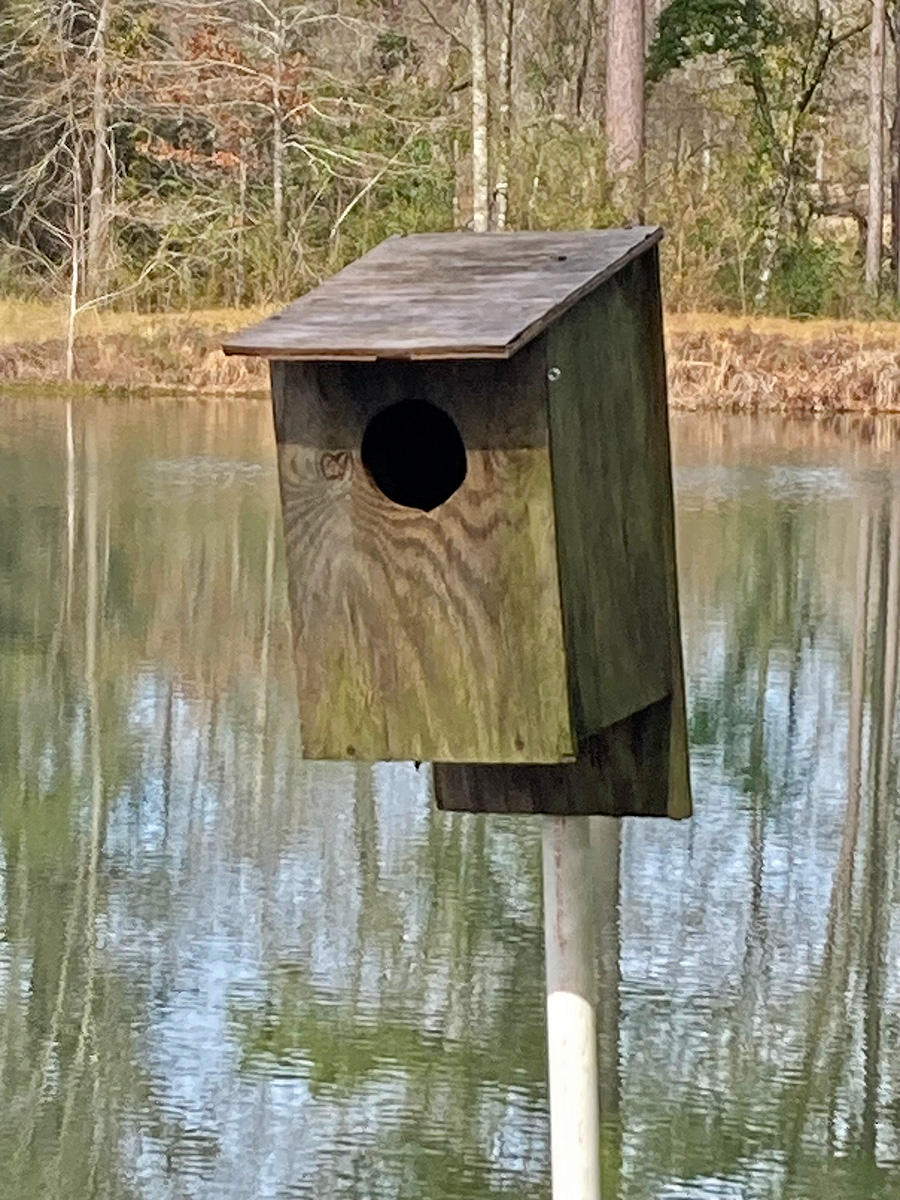
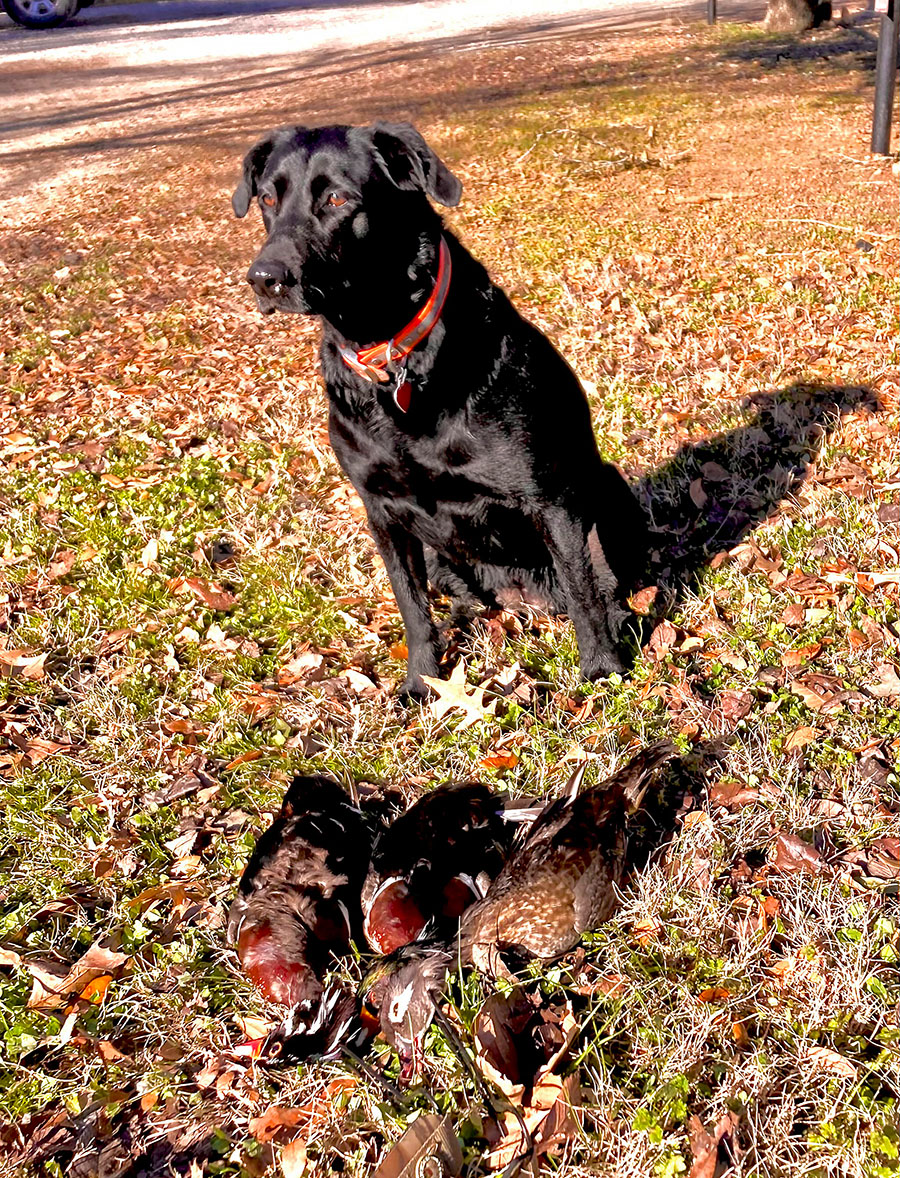
Though not very big, at maybe 3/4s of an acre, it consistently draws wood ducks and provides some fast action that’s a short walk from the back porch. We’ve maintained nesting boxes in the bigger pond to keep the native woodies in the area.
The same can be done on bigger acreages in the deltas. Sgt. Doug Anderson with the Louisiana Department of Wildlife and Fisheries has over 20 years of experience and was kind enough to give some insights. For starters, he advised to check with the Natural Resources Conservation Service (NRCS) before starting any project since wetland regulations can be complex. He also said to check with the police jury as well as neighboring landowners so there would be no negative impacts with unwanted water on adjacent property or drainages.
With the green light, installing culverts coupled with water level control devices, such as valves or board boxes, allows for maintaining a desired water level. In these areas, sloughs consist of cypress and tupelo gum where the water holds nearly year-round. Oak flats adjacent to those areas flood in the fall and winter months. Mallards and wood ducks flock to the oak flats to feed on the acorns.
Staying legal
If you own the property or have permission to hunt, the initial investment to bring in the equipment for the installation will pay off over the years. If you consider doing this on leased land, be sure to communicate clearly with the landowner about what will be done to make sure they are fine with it. I’d suggest negotiating a long-term lease with consideration of the money spent by the hunter. Here’s why. If it becomes an absolute honey hole, you might end up in a bidding war with another potential lessee who wants to reap those rewards. News travels fast about hotspots.
With things worked out with the landowner, take out any undesirable trees in the oak flat to open it up and allow the oak canopies to spread. Hackberry, sweet gum and invasive Chinese tallow trees don’t have any value and should be removed. Bitter pecans are common, but a better acorn crop is preferable.
To boost mast production, fertilize around the drip line of the tree canopy. Tree spikes work great and are easier than hauling in granular fertilizer. An added bonus is that it benefits the other critters such as deer, turkeys and squirrels, providing additional hunting opportunities outside of duck season.
If the potential site is open land, planting preferred duck foods should be considered. Where it gets tricky is providing feed by planting but not doing anything to it that could be considered baiting.
“Unless being harvested, which is a common agricultural practice, the plants cannot be manipulated,” Sgt. Anderson said. “This means mowing, buffaloing or knocking it down in any way to disperse the seed. Even walking through it isn’t advisable.”
To make sure you’re staying legal, consult a state or federal game warden and be clear on what you intend to do to get their insight. Inviting them to look at the site is good insurance as well. Regulations can be found online and Sgt. Anderson urged anyone to become very familiar with them.

What to plant
As far as what to plant, Japanese millet works very well. Ducks love it, it matures in 60-70 days and can even re-seed itself the following year if growing conditions are favorable. It can also grow in water up to about the first bottom set of leaves.
A group I was in planted it in some old crawfish ponds we leased in North Louisiana. We planted it outside effective shooting range of about 60 yards, while not planting any close to the blind or where we waded in to put out decoys. It only took a couple of hours to broadcast it with a hand-crank seed spreader, including dressing it with 13-13-13 fertilizer. We didn’t worry about getting a soil test but that can certainly be done if concerned about soil fertility. The county agent’s office can assist, or it can be sent off. Within a couple of weeks, the millet came up nicely. Proof that it worked was found in the crops and gizzards of the birds we harvested.
Sudan grass is another choice that’s become popular, but it has a longer maturity date and grows much taller than millet. Rice is suited to our entire region and I’ve tried it, but had more success with millet. It was easier to grow and produced more seeds.
If you’re thinking about corn, keep in mind that it must be drilled to get the seed deep enough. It also takes a lot of nitrogen fertilizer to produce ears, and if the deer, coons and squirrels don’t wipe it out, the feral hogs that have covered the entire state definitely will.
Think long term
Planting these food sources can be done in the summer to give it time to mature before the early teal season or a little later for the regular season. I lived in Dallas, Tex., for a few years and got to be friends with some guys that hunted several stock tanks on a ranch northwest of Fort Worth. We planted Japanese millet in the summer when the water was low. When the water came up in the fall it flooded the millet just as we had hoped. You can rely on rainfall, but if access to pumped water is a possibility, consider it just to guarantee water when the season opens. Luckily, in Louisiana as well as in Mississippi, we usually get ample rain. That would be the biggest expense anyhow.
Whether enhancing a timber area or planting for ducks in the open, if able to do so, give it a try. I enjoy the whole process and get a great deal of satisfaction out of it. The key is to think long term. Ducks may pile in the first season, or it may take them a couple more to find your “X.” Be sure to have all parties on the same page, especially the ones who own the land, pay close attention to the regulations and best of luck!